




Case Study: Geotextile and Geocell for a Private Road
โพสต์เมื่อ : 18 พ.ย 2569 เวลา 11:47 น.
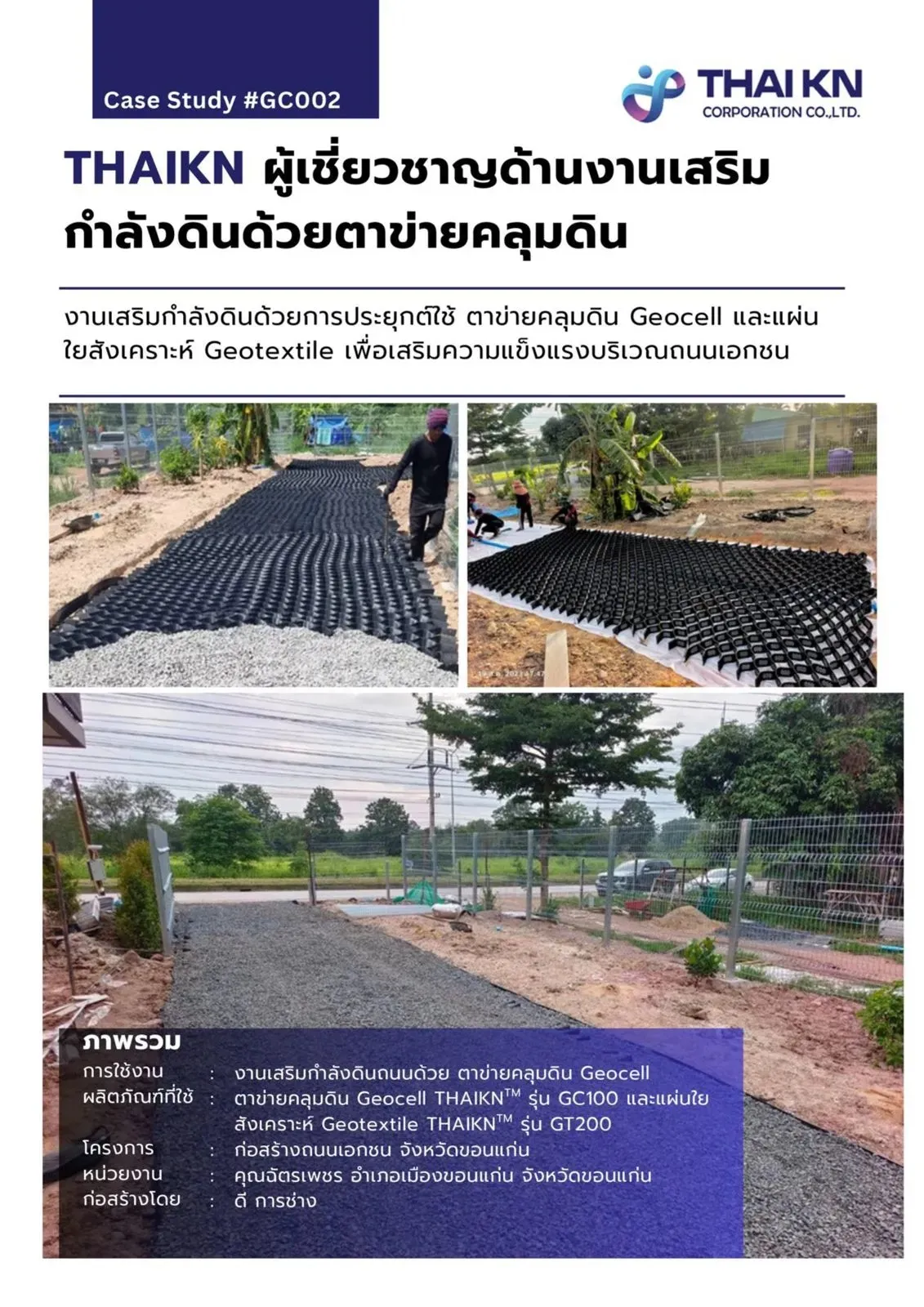
THAIKN A specialist in soil reinforcement with cellular confinement mesh
Soil reinforcement using THAIKN GEOCELL cellular confinement mesh and THAIKN GEOTEXTILE to strengthen a private road
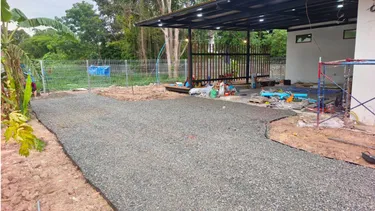
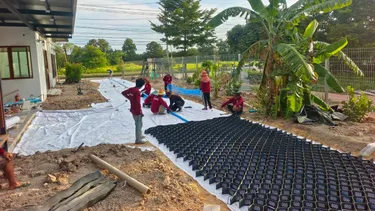
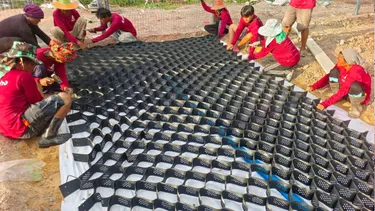
Road soil reinforcement with GEOCELL cellular confinement mesh
Private-road construction, Khon Kaen province
Products used Cellular confinement mesh THAIKN™ GEOCELL model GC100 and geotextile THAIKN™ GEOTEXTILE model GT200
The area in front of a house beside a rural road was a fairly small dirt yard. The client wanted it improved so that cars could park on it firmly and reliably. An important constraint was that the area was limited in size and the surface could not be raised very much, because the level had to match the existing road in front.
The team inspected the site and found that the existing soil was a silty clay, prone to holding water and poorly suited to repeated loading. The surface had wheel ruts, and when it rained, water ponded until the area could not be used. Placing crushed rock directly on the soil would likely sink and lose compaction before long. The team therefore proposed reinforcing the pavement layers with geosynthetics, to reduce the long-term risk of settlement.
The area in front of a house beside a rural road was a fairly small dirt yard. The client wanted it improved so that cars could park on it firmly and reliably. An important constraint was that the area was limited in size and the surface could not be raised very much, because the level had to match the existing road in front.
The team inspected the site and found that the existing soil was a silty clay, prone to holding water and poorly suited to repeated loading. The surface had wheel ruts, and when it rained, water ponded until the area could not be used. Placing crushed rock directly on the soil would likely sink and lose compaction before long. The team therefore proposed reinforcing the pavement layers with geosynthetics, to reduce the long-term risk of settlement.
The team inspected the site and found that the existing soil was a silty clay, prone to holding water and poorly suited to repeated loading. The surface had wheel ruts, and when it rained, water ponded until the area could not be used. Placing crushed rock directly on the soil would likely sink and lose compaction before long. The team therefore proposed reinforcing the pavement layers with geosynthetics, to reduce the long-term risk of settlement.
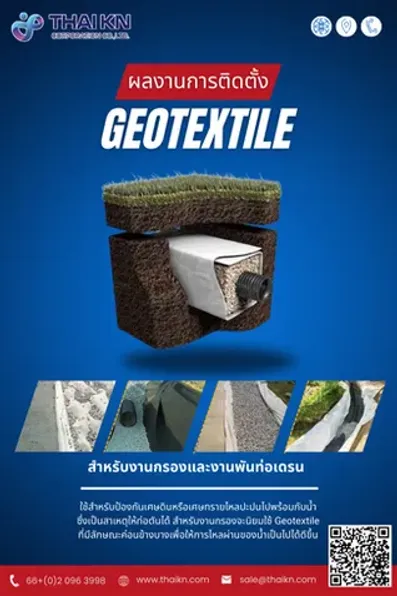
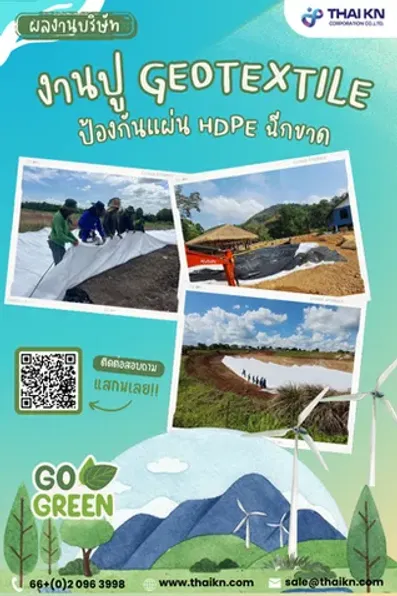
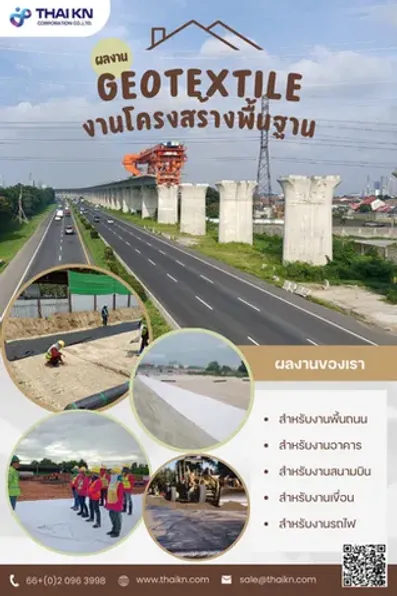
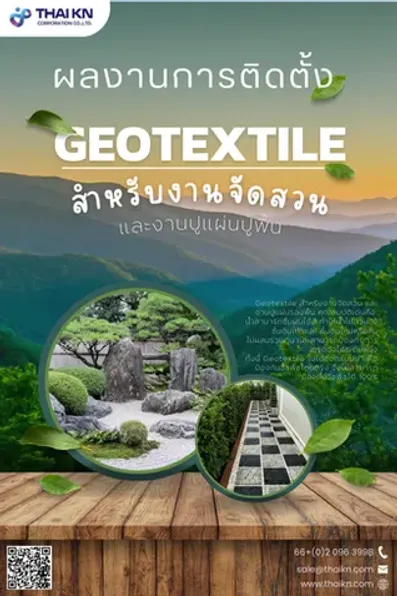
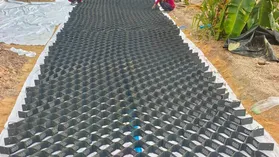
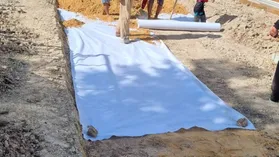
Construction began by grading the existing area until it was even, then laying geotextile THAIKN™ GEOTEXTILE model GT200 to cover the full area, so that it would separate the material layers and keep the crushed rock from sinking into the soft soil. Once the fabric was in place, the honeycomb confinement panels were expanded THAIKN™ GEOCELL model GC100 over the fabric, stretched taut against the ground, and crushed rock was gradually poured into the honeycomb cells until every cell was full, then compacted to the specified density.
The work was completed in a short time. The area that had been soft and waterlogged became a firm parking surface that could carry loads well. After load testing by driving in and out several times, no settlement or movement of the material was found.
Construction began by grading the existing area until it was even, then laying geotextile THAIKN™ GEOTEXTILE model GT200 to cover the full area, so that it would separate the material layers and keep the crushed rock from sinking into the soft soil. Once the fabric was in place, the honeycomb confinement panels were expanded THAIKN™ GEOCELL model GC100 over the fabric, stretched taut against the ground, and crushed rock was gradually poured into the honeycomb cells until every cell was full, then compacted to the specified density.
The work was completed in a short time. The area that had been soft and waterlogged became a firm parking surface that could carry loads well. After load testing by driving in and out several times, no settlement or movement of the material was found.
The work was completed in a short time. The area that had been soft and waterlogged became a firm parking surface that could carry loads well. After load testing by driving in and out several times, no settlement or movement of the material was found.
The team then handed over the work
together with a summary report that this limited parking area can carry vehicle loads reliably, with a pavement structure of GEOTEXTILE as a base layer and GEOCELL reinforcing the crushed-rock layer above, which clearly helps extend service life and reduce the maintenance burden.
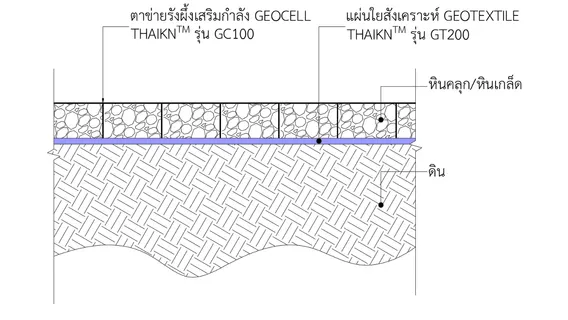
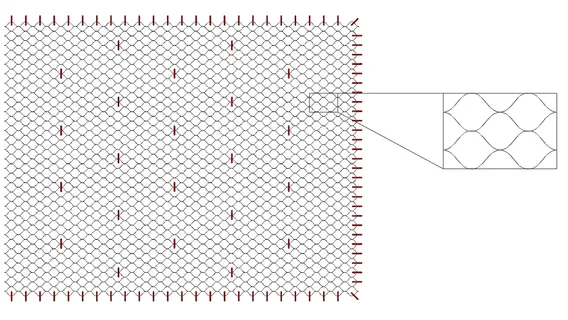
Figure 1: close-up showing the road installation layer sequence Figure 2: close-up of the honeycomb confinement grid THAIKN™ GEOCELL model GC100