





What Is a Geogrid (Soil Reinforcement Grid)?
What Is a Geogrid (Soil Reinforcement Grid)?What Is a Geogrid?A geogrid, also known as a soil reinforcement grid, is a geosynthetic material used acro...

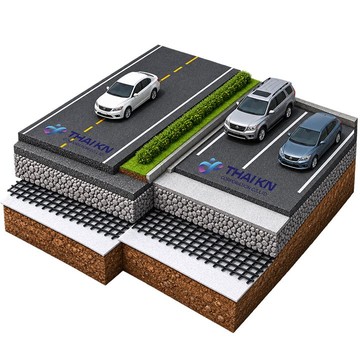
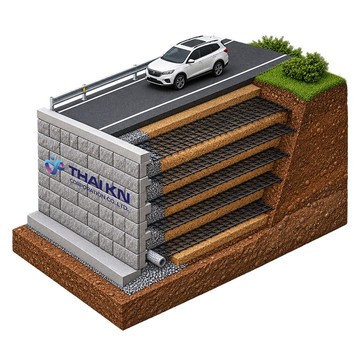
The key principle is the interaction between soil and reinforcement materials. When forces act on the soil mass, geosynthetics help resist and distribute them through tensile action and soil-material interaction, improving soil stability. Each material type serves a different role, for example:
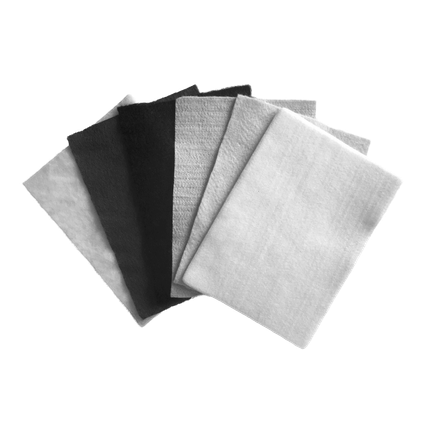
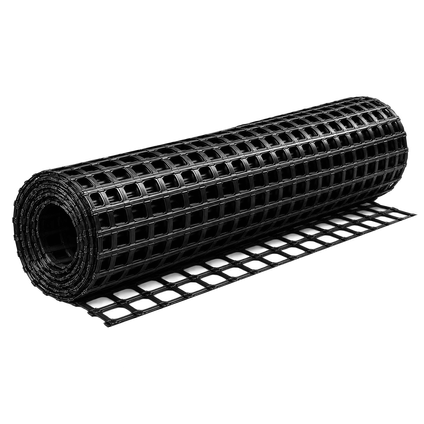
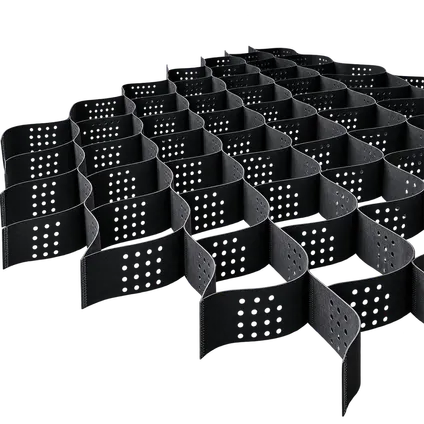
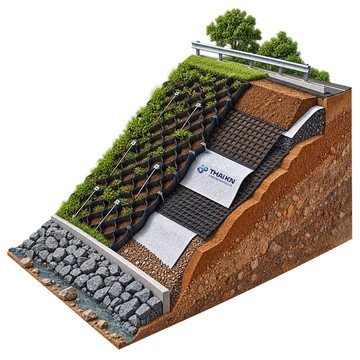
Slopes are at risk of movement and erosion. Geocell or suitable geosynthetics can help control material movement and improve site stability.
Related materials: Geocell, Geogrid, Geotextile
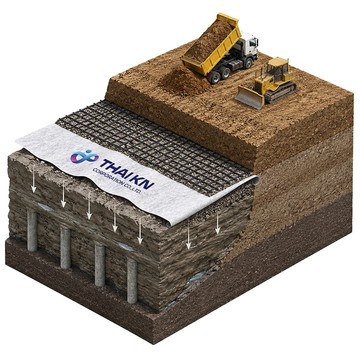
Soft ground may have bearing capacity and settlement limitations. Suitable reinforcement systems can improve structural performance and load distribution within the soil.
Related materials: Geogrid, Geotextile
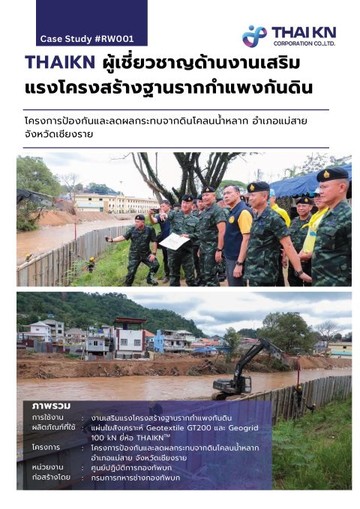
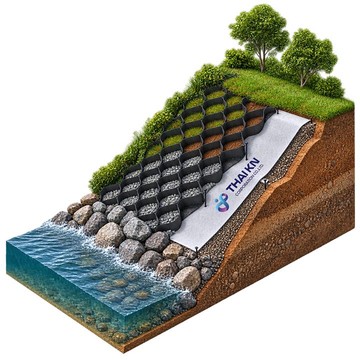
Riverbanks, slopes and areas affected by water and rainfall may suffer erosion and loss of soil stability. Suitable Geocell and geosynthetics can help control material movement and reduce erosion risk.
Related materials: Geocell, Geotextile