




Pond Liner Plastic: What Is Geomembrane?
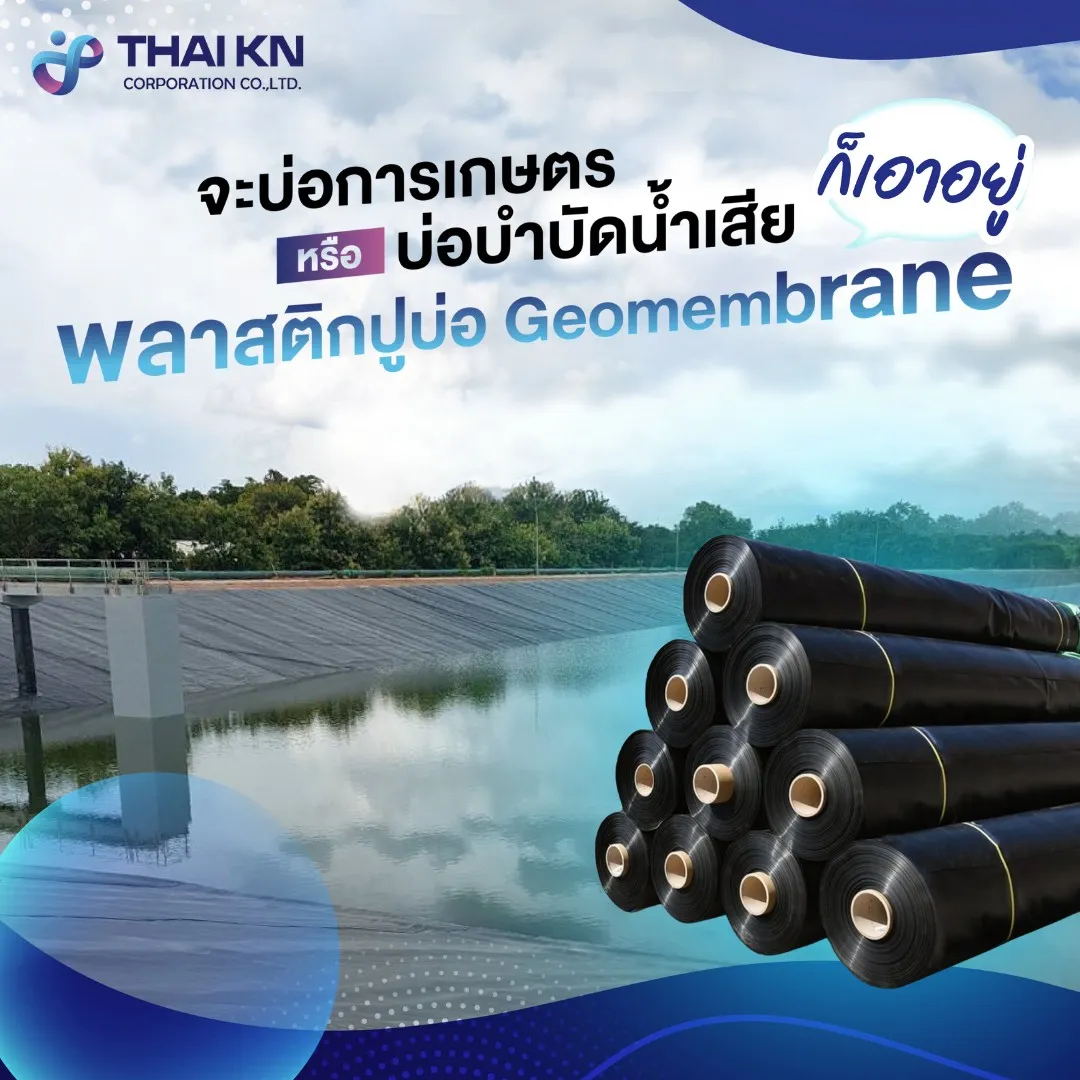
Pond liner plastic: what is Geomembrane?
Today, plastic plays an important role in our daily lives, from packaging to industrial applications.
The two commonly used types of plastic are low-density polyethylene (LDPE) and high-density polyethylene (HDPE). Each has its own characteristics and uses, making them important materials in various industries. This article explains the differences between LDPE and HDPE to help you understand which type better suits your specific needs.
1. LDPE (Low-density polyethylene). LDPE is a versatile, widely used thermoplastic made from ethylene monomer. It has a lower density and is more flexible than HDPE. LDPE is commonly used because of its good resistance to moisture and chemicals, making it suitable for applications such as plastic bags, shrink film and squeeze bottles. Its flexibility allows it to be formed easily into various shapes, so it is popular for producing products that require flexibility.
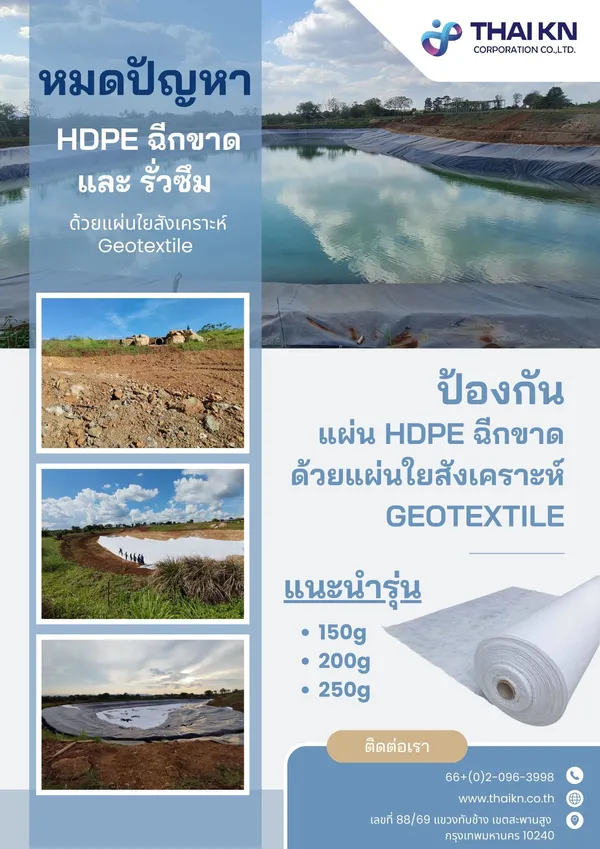
2. HDPE (High-density polyethylene). On the other hand, HDPE is a high-density thermoplastic made from petroleum. It has a higher density and is stronger and more durable than LDPE. HDPE is known for its excellent strength-to-density ratio, making it suitable for applications that require a strong, durable material. It is therefore commonly used as a pond liner for large ponds, wastewater treatment ponds and landfills, because it resists chemicals, impact and weather.
3. How are LDPE and HDPE different? Differences between LDPE and HDPE in physical characteristics. Low-density polyethylene (LDPE) and high-density polyethylene (HDPE) are two types of polyethylene plastic with different physical properties. The following are the main differences between LDPE and HDPE in terms of physical properties.
Density
LDPE has a lower density, typically between 0.910 and 0.940 g/cm³. This low density makes LDPE highly flexible and lightweight. HDPE has a higher density, between 0.941 and 0.965 g/cm³. The higher density gives HDPE more strength and stiffness compared with LDPE.
Melting point
LDPE has a lower melting point, typically around 105 to 115°C (221 to 239°F). This lower melting point makes LDPE easy to process and form. HDPE has a higher melting point, typically around 120 to 160°C (248 to 320°F). The higher melting point makes HDPE more resistant to heat deformation and suitable for high-temperature applications.
Tensile strength
Tensile strength is a mechanical property that measures a material's ability to withstand tensile forces without breaking or stretching excessively. LDPE has lower tensile strength than HDPE and is not as strong under tension, so it is suitable for highly flexible applications. HDPE has higher tensile strength, making it stronger and more resistant to stretching and tearing, so it is ideal for applications where durability and strength are important.
Impact resistance
LDPE has excellent impact resistance, meaning it can withstand sudden shocks or impacts without breaking or cracking. These properties make it suitable for packaging applications. HDPE also has good impact resistance, is generally stronger, and tends to deform less than LDPE under impact.
4. LDPE or HDPE: which is better? Choosing the right material. Whether low-density polyethylene (LDPE) or high-density polyethylene (HDPE) is better depends on your project's specific requirements. Each material has its own properties and uses. Choose
LDPE if you need a flexible, moisture-resistant material. It is suitable for small agricultural water storage ponds, with a thickness of about 0.3-0.5 mm.
HDPE if you need a strong, durable material with good chemical resistance. HDPE is suitable for large water storage ponds, industrial plants, wastewater treatment ponds and landfills, with a thickness of 0.5 mm and above.

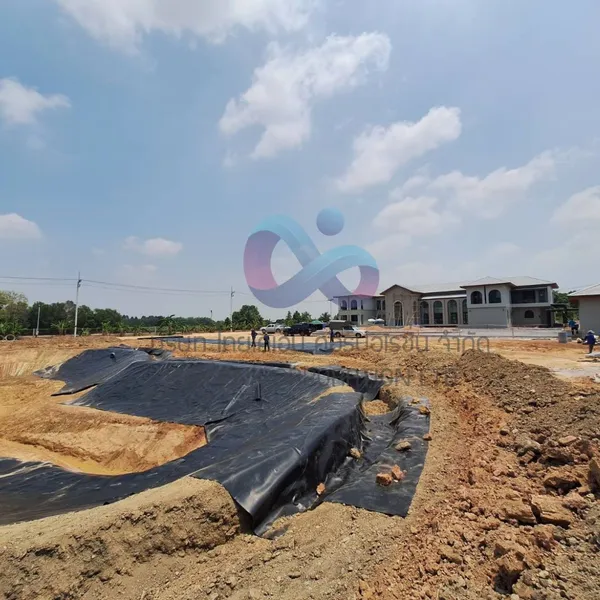
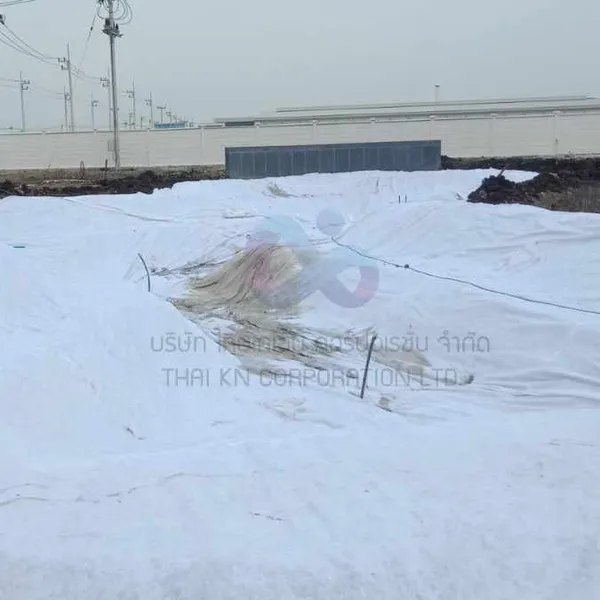
Installation portfolio: Geomembrane pond liner plastic


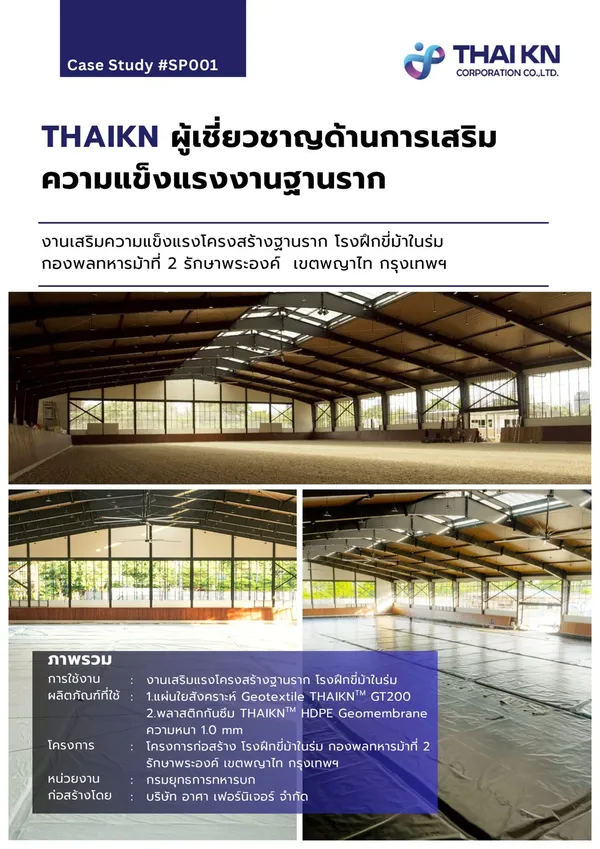
Installing Geomembrane, thickness 2 mm – biogas pond cover


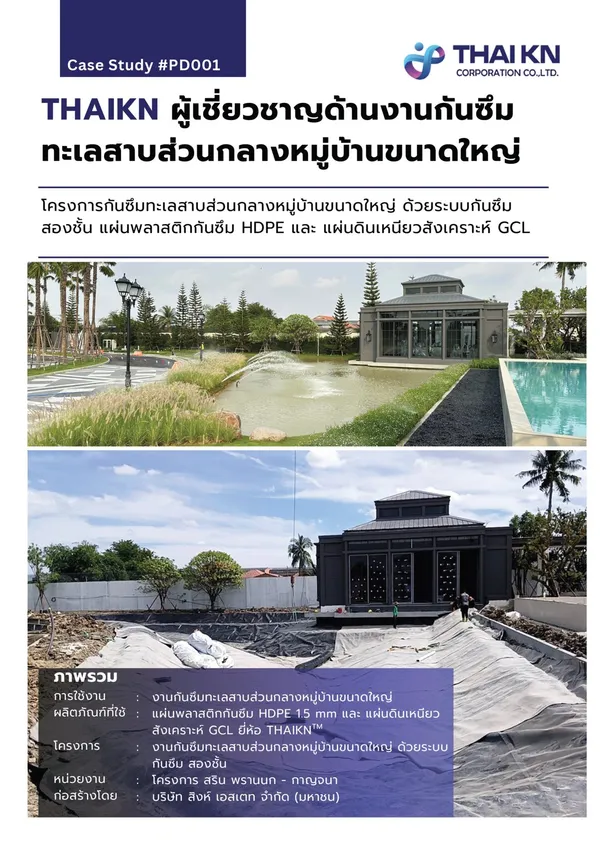
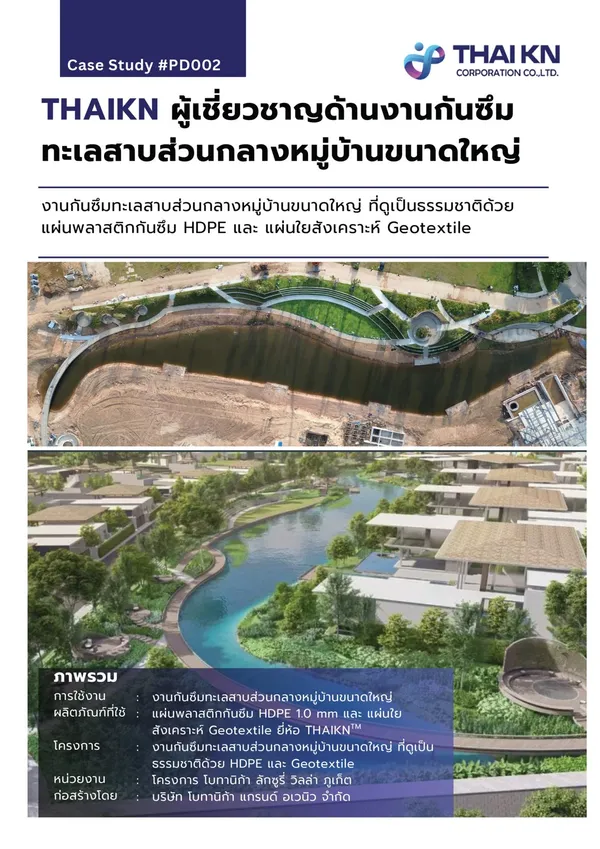
Installing Geomembrane, thickness 1 mm – large durian orchard water storage pond


Installing Geomembrane, thickness 1 mm – large industrial pond
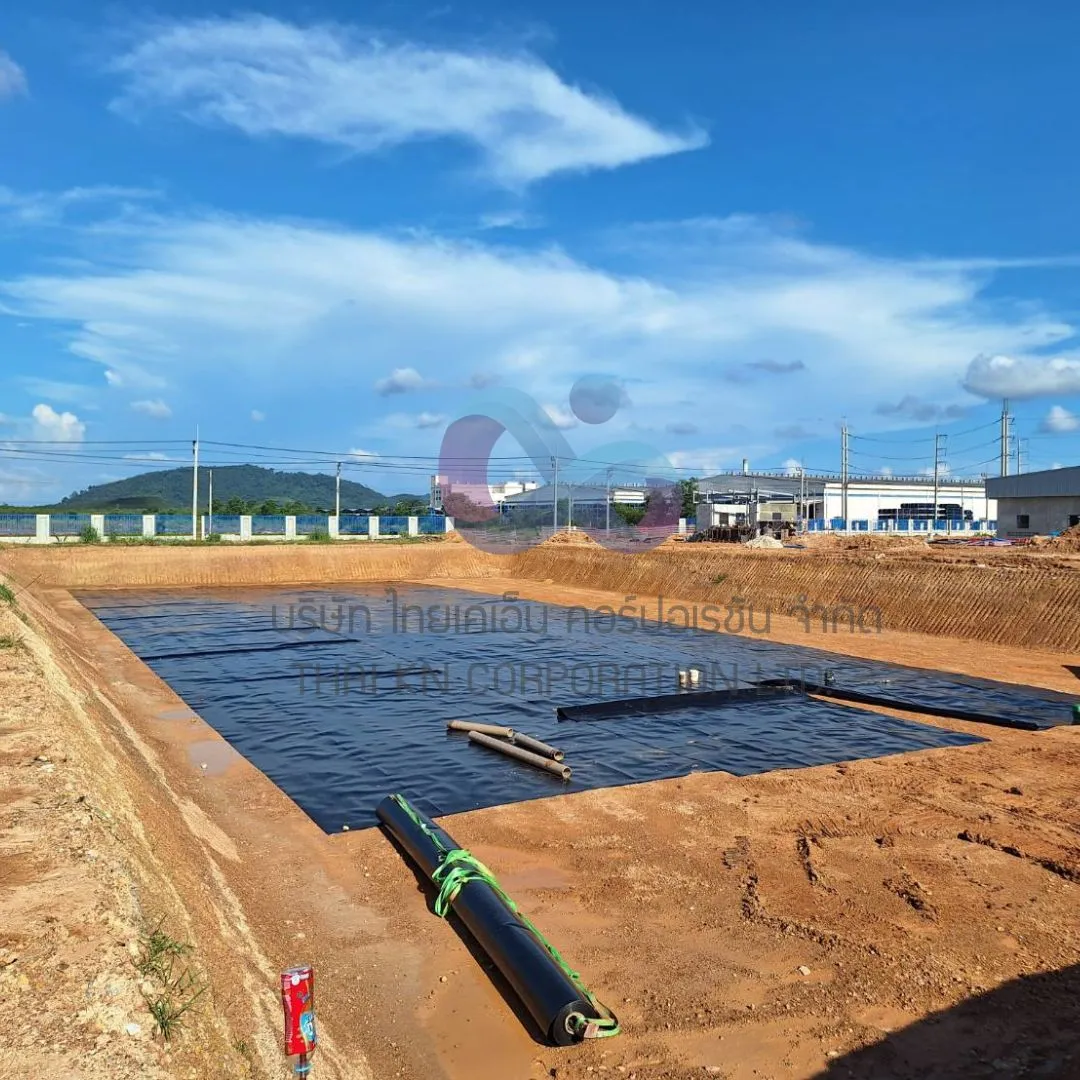


Installing Geomembrane, thickness 2 mm – large industrial pond


Installing Geomembrane, thickness 1 mm – large water pond


Installing Geomembrane, thickness 1.5 mm – large water pond


Installing Geomembrane, thickness 1.5 mm – large water pond lining

Line OA : @thaikn
Tel : 02-096-3998, 063-467-9666, 063-401-9888
Email : sale@thaikn.co.th
Website : www.thaikn.co.th
#GEOTEXTILE #Geogrid #thaikn #Geocell #GCL #Geomembrane #HDPEGeomembrane #LDPE #Landscaping #PondLining #DIYLandscaping #MinimalistGarden
Read more: Leakage Prevention with Geomembrane and GCL
Related Geomembrane articles and projects
Read more about waterproofing and pond lining, and see real installation examples by THAI KN