




Garden and Road Underlay Fabric Are the Same Item
โพสต์เมื่อ : 20 พ.ย 2569 เวลา 13:4 น.
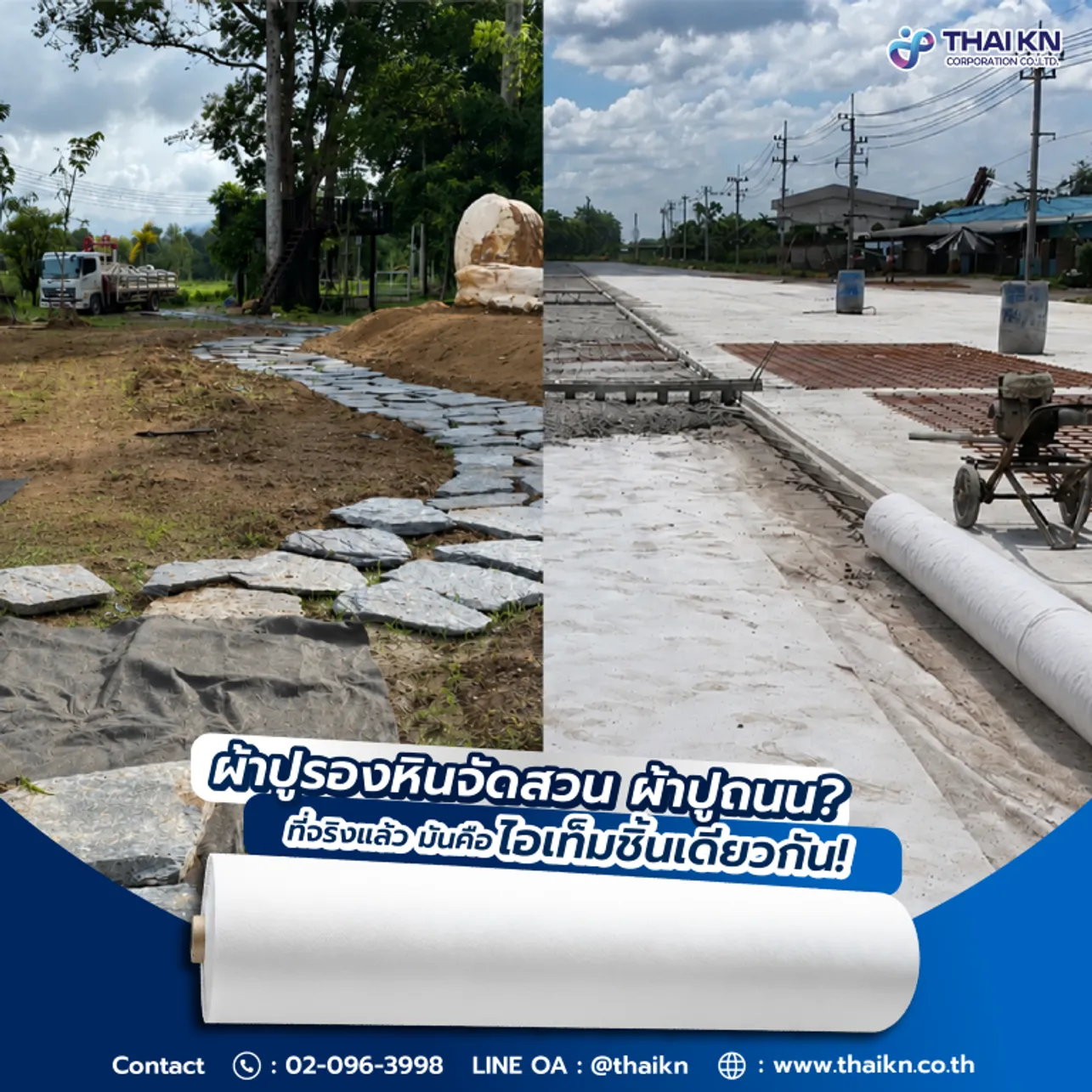
Landscaping stone underlay fabric and road structure underlay fabric are actually the same item
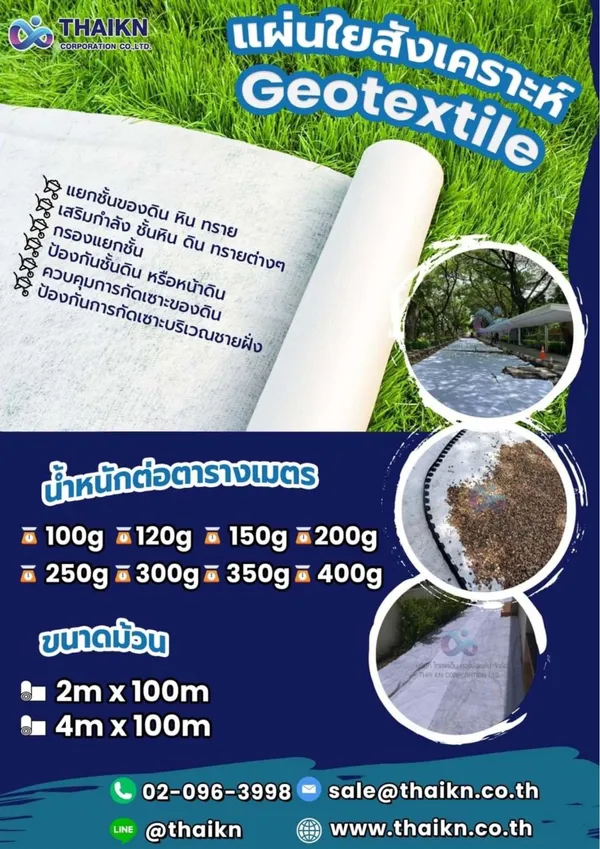
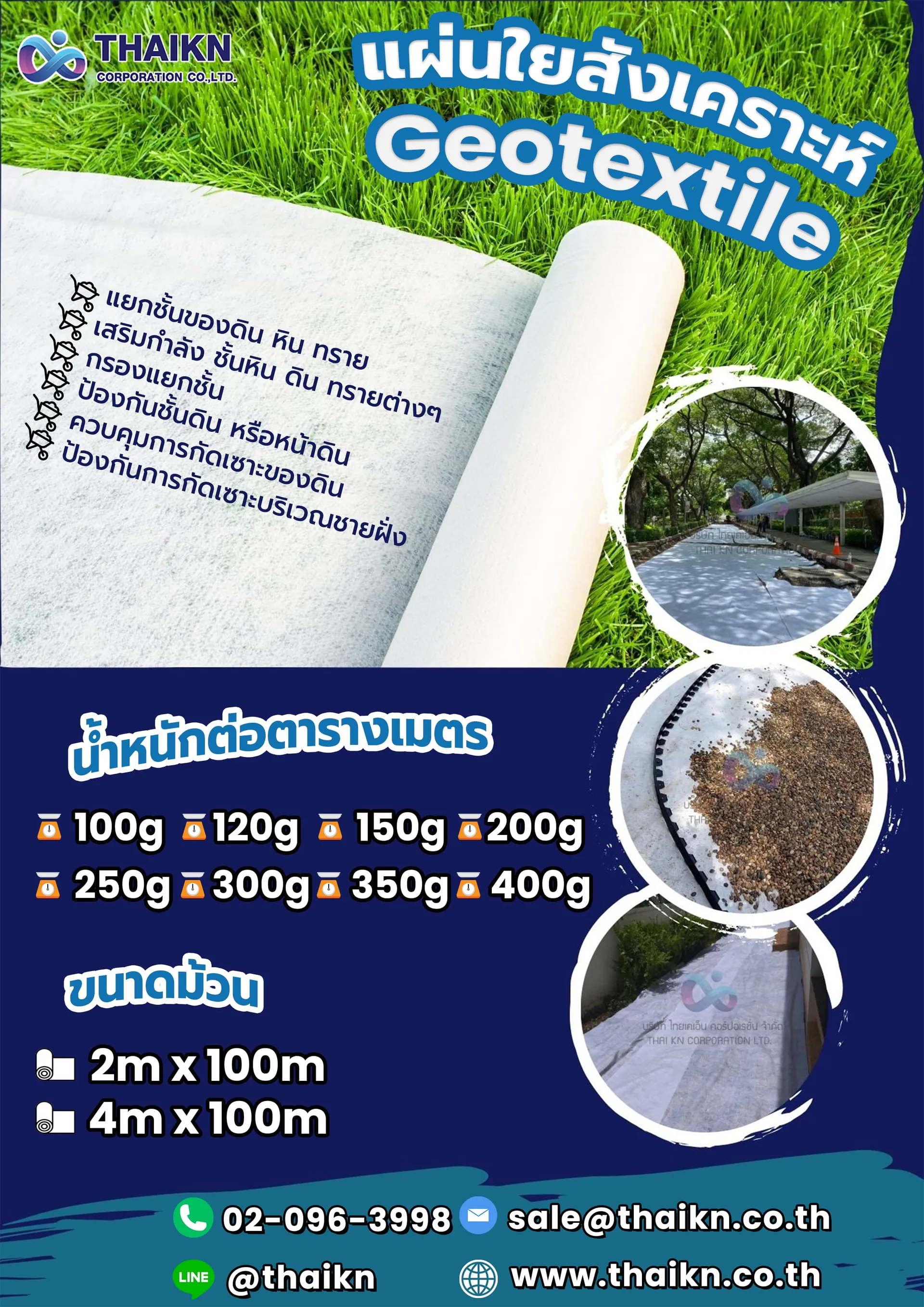
GEOTEXTILE, which many people call synthetic fabric, geosynthetic sheet, filter cloth, ground cloth, stone underlay fabric, soil separation fabric, weed barrier fabric or Filter Fabric, is a type of synthetic material in the Geosynthetics family designed to be used with soil, stone, water and construction materials in engineering work.
Many people may have seen GEOTEXTILE as a roll of white or black fabric and assumed it is just a “ground cloth” or “stone underlay fabric”. In reality, GEOTEXTILE plays a much bigger engineering role, because it can separate material layers, filter water, help drainage, reinforce, and protect soil layers or other materials from damage, depending on the type and properties of the product.
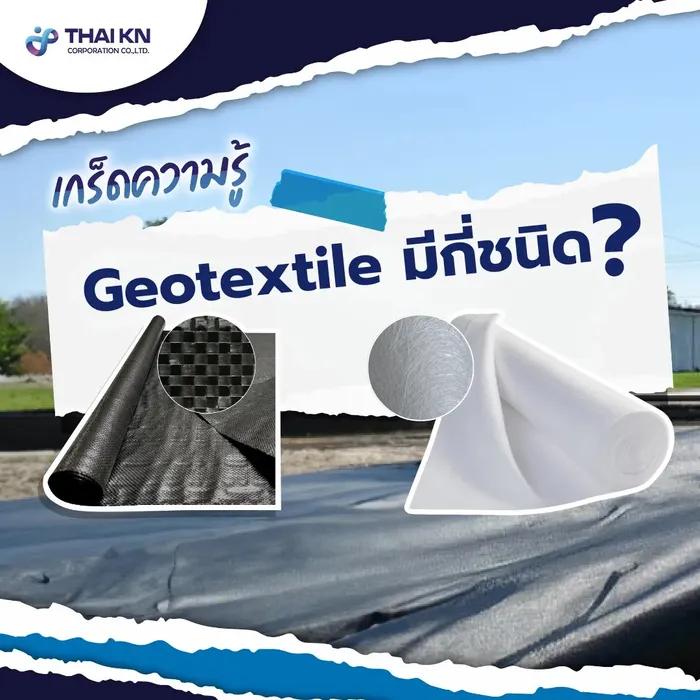
International Geosynthetics Society (IGS) states that GEOTEXTILE is a flexible sheet material that water can flow through. It can be produced as Woven or Nonwoven and used for Separation, Filtration, Drainage, Reinforcement and Erosion Control.
GEOTEXTILE or GETEXTILE? Which spelling is correct?
The correct engineering term is GEOTEXTILE
However, when searching online, users may type it in different ways, such as
GEOTEXTILE, GETEXTILE, Geo Textile, Geo-textile, Geotextile Fabric, Geotextile cloth, synthetic fabric, geosynthetic sheet, synthetic cloth, filter cloth, ground cloth, stone underlay fabric, soil separation fabric, soil retention fabric, Filter Fabric, Separation Fabric ,Drainage Fabric
Some of these terms describe how the material is used or are words that builders and contractors are familiar with, but in terms of engineering materials, Geotextile is the clearest product category name.
So if you are looking for a material to separate soil from stone, underlay a road base, keep soil from mixing with stone, filter water, underlay a drainage system, or use together with HDPE Geomembrane sheets, the term to search for is “GEOTEXTILE” or “geosynthetic sheet GEOTEXTILE”
ASTM D4439, the terminology standard for Geosynthetics, also defines specific terms for materials in this group.
GEOTEXTILE: what can it be used for?
With its wide range of properties, GEOTEXTILE is not limited to road construction but can be applied to everything from large engineering projects to landscape architecture.
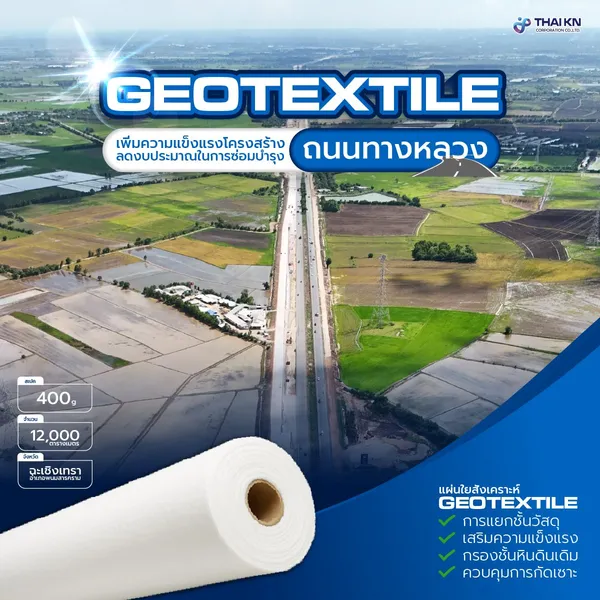
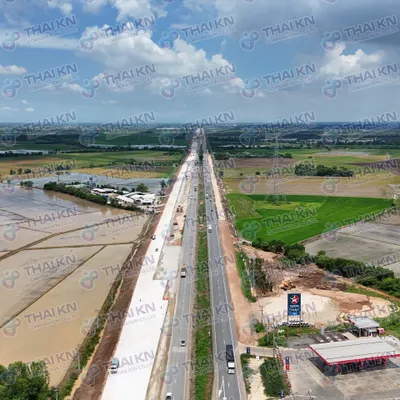
Roads and parking areas
Used as a Separation layer between the existing soil and crushed rock or Aggregate to help reduce mixing of the material layers. Suitable for
Roads
Laterite roads
Parking areas
Storage yards
Temporary construction areas
Construction Platform
FHWA describes the use of Geotextile in road systems, both Pavement and Unpaved Road, as well as in areas requiring soft soil improvement.
Gardens and landscape architecture
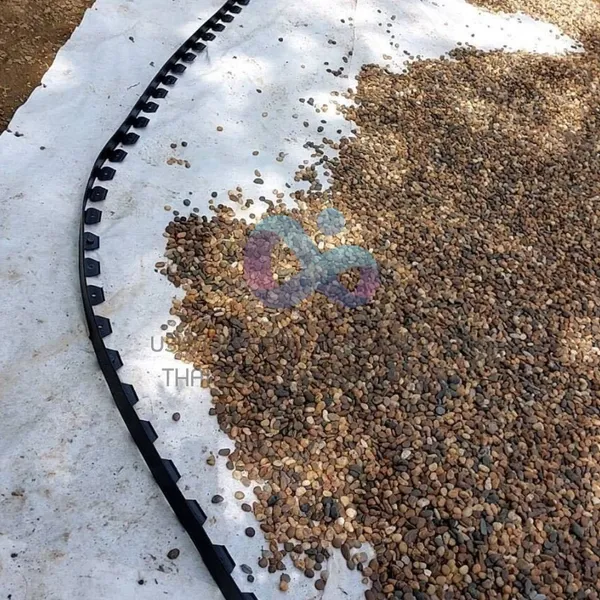
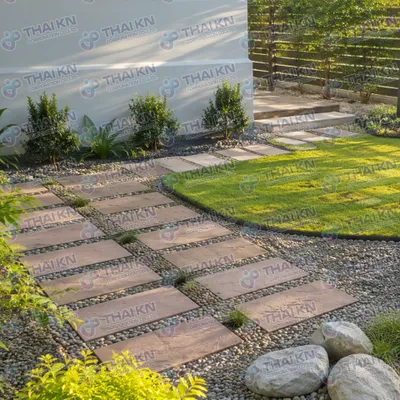
Geotextile can be used as a separation layer between soil and stone in garden work, such as rock gardens
Walkways
Stone courtyards
Waterfalls
Fish ponds
Landscape
Landscaped areas
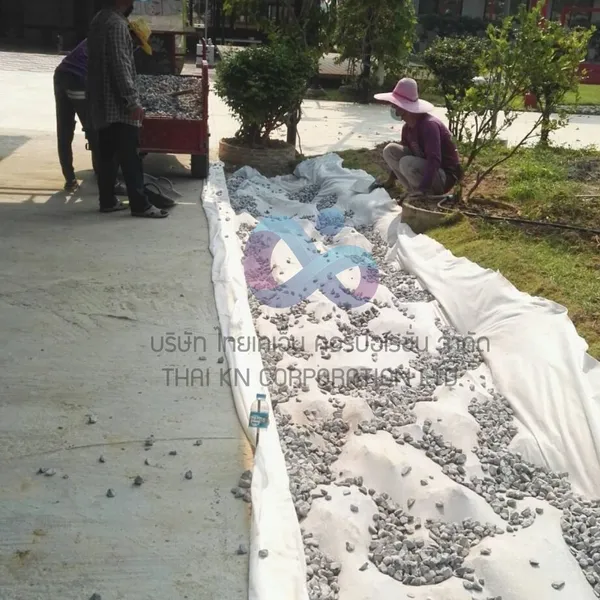
Real-world application examples from THAIKN™: we find GEOTEXTILE used in rock gardens to help separate material layers, control weeds and allow water to drain through.
Drainage systems
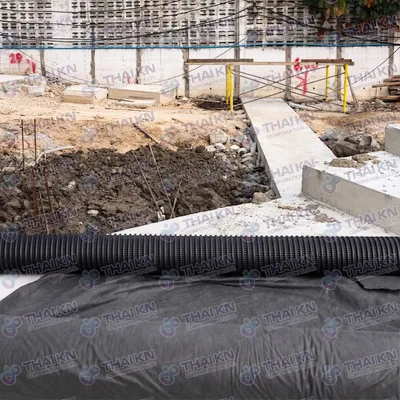
Can be used as a filter layer between soil and drainage materials, such as stone or pipe systems, helping reduce the chance of fine soil being carried into the drainage system.
HDPE Geomembrane underlay
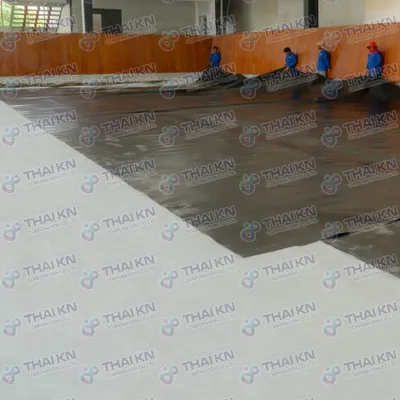
Used as a protective layer between the ground and the Geomembrane sheet to reduce the risk from contact with sharp materials or point loads.
Irrigation and ponds
Can be applied together with pond systems, reservoirs, canals and various earthworks; the type and properties must be chosen to suit the structure of the work.
THAIKN™ specifies the use of GEOTEXTILE in irrigation, earth filling, coastal works, retaining walls and many types of infrastructure.
Erosion protection
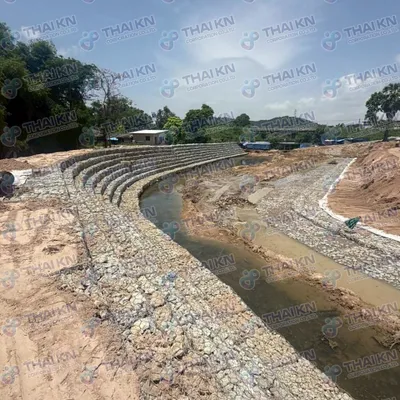
GEOTEXTILE can be used as a filter layer under Rock Armour, Riprap or other erosion protection materials to help control the movement of soil particles caused by water flow.
For example, Nonwoven Geotextile is used under stone layers in erosion protection and Rockery work to help control soil Piping.
How to choose GEOTEXTILE to suit the job?
When choosing GEOTEXTILE, you should not just look at “how many grams”, because weight per area, or g/m², is only one piece of product information. It should be considered together with:
The main function of the GEOTEXTILE
Soil type
Size and nature of the material placed on top
Volume and direction of water flow
Tensile forces to be resisted
Puncture Strength
Tear Strength
Burst Strength
Apparent Opening Size (AOS)
Permittivity
Filtration capacity
Environmental conditions
Installation method
Required service life
FHWA states that selecting GEOTEXTILE for filtration must consider the compatibility between the properties of the GEOTEXTILE and the soil conditions and water flow, while Separation applications must consider the type and gradation of the soil, as well as the forces that occur during construction. Therefore, GEOTEXTILE 200 g/m² does not mean it is suitable for every job that calls for GEOTEXTILE 200 g/m²
Project photos
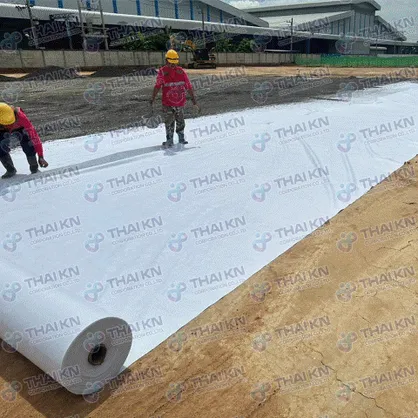
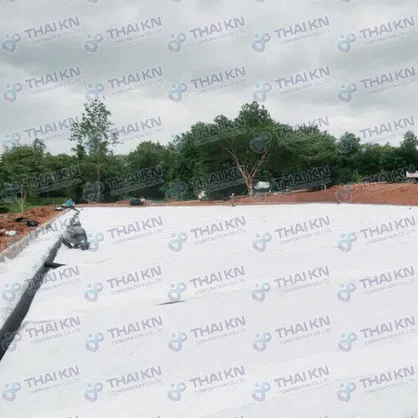
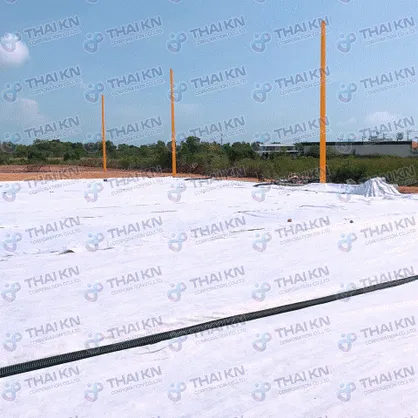
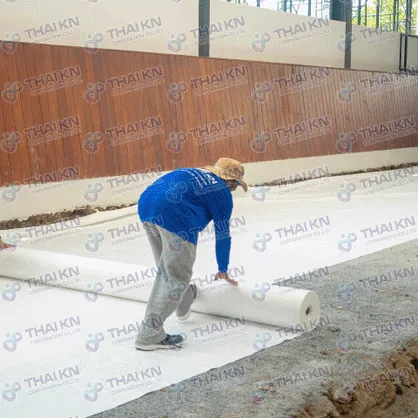
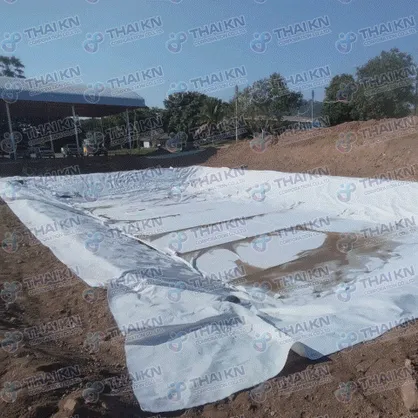
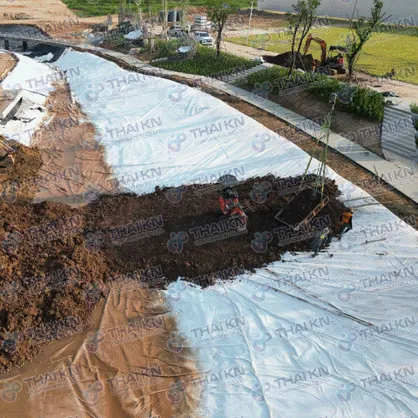
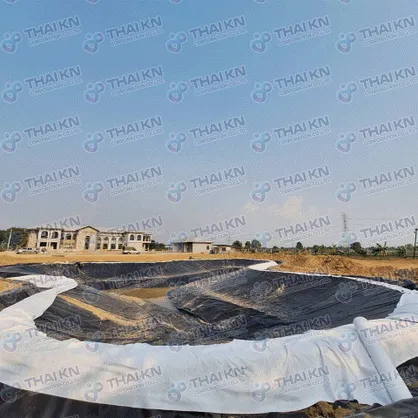
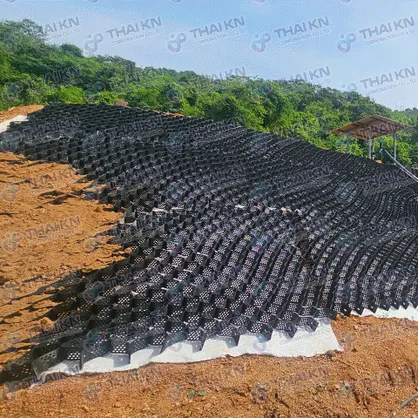
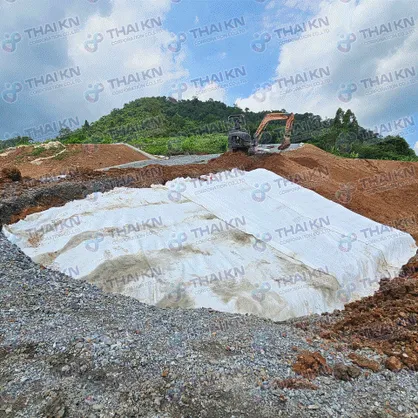
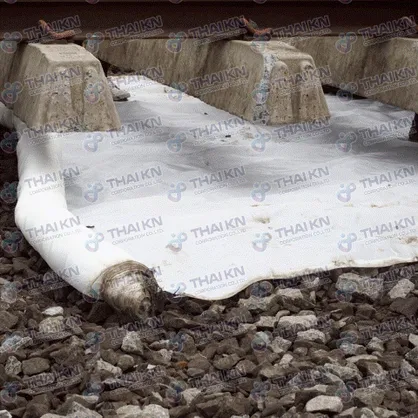
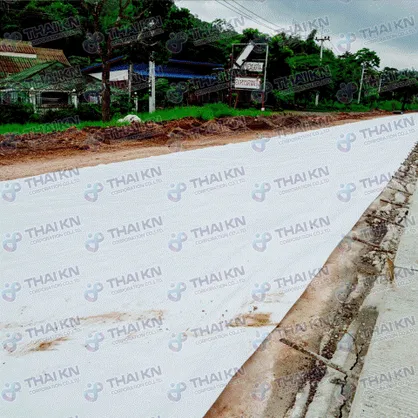
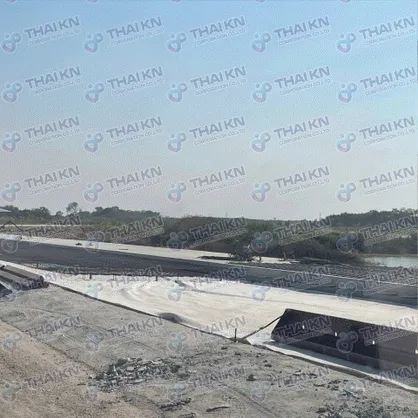
THAIKN™ GEOTEXTILE

Line OA : @thaikn
Tel : 02-096-3998, 063-467-9666, 063-401-9888
Email : sale@thaikn.co.th
Website : www.thaikn.co.th
#GEOTEXTILE #Geogrid #thaikn #Geocell #GCL #Geomembrane #HDPEGeomembrane #Landscaping #PondLining #DIYLandscaping #MinimalistGarden
Read more: Geosynthetics for Landscaping
Related Geotextile articles and projects
Read more about geotextiles in earthworks, road works and water works, and see real installation examples by THAI KN