




Why Roads Keep Failing, and the Quiet Fix Engineers Use
โพสต์เมื่อ : 19 พ.ย 2569 เวลา 3:13 น.
Have you ever wondered... why some roads are repaired again and again,
only to crack, develop potholes, or settle within a few months and cause repeated accidents?
For ordinary people, it may just be an annoyance when traveling, but for engineers, contractors or project owners it is a "nightmare" that eats up both budget and time, because road failure is not only about damage to the surface on top; it is a warning sign that "the bottom layer of the structure is in crisis". In this article, we take you on a deep dive into the real root of the problem and introduce the innovation that is the key to ending this “repeated repair” cycle.
Leave a damaged road unrepaired, and the damage spreads more than you think
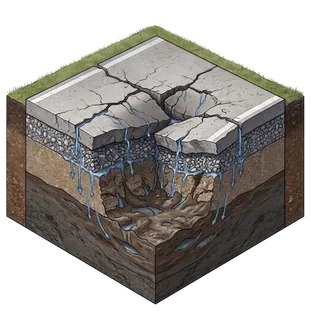
The real cause of road settlement is usually "water" and "a weak soil layer beneath the pavement (Subgrade)". When small cracks appear in the road surface, rainwater quickly seeps down to the lower layers. If left unattended, what follows is:- The foundation soil loses its bearing strength: water softens the clay or existing soil layer, and as vehicles pass over it repeatedly, the soil begins to move and eventually settles.
- Contamination of the material layers (Pumping Effect): pressure from vehicle wheels pumps mud from below up into the crushed rock layer above, causing the crushed rock to lose its density and interlock.
- The whole road structure then fails from within, and the budget escalates: repairing only the surface without solving the problem in the soil layers is like taking a painkiller to treat a serious infection; in the end everything has to be torn out and rebuilt, costing many times more than before. So the key question in building and repairing roads today is "how do we keep the soil and crushed rock layers from mixing, and how do we strengthen the soil layer?"
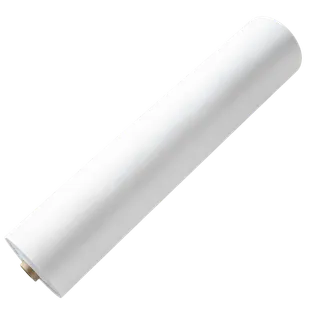
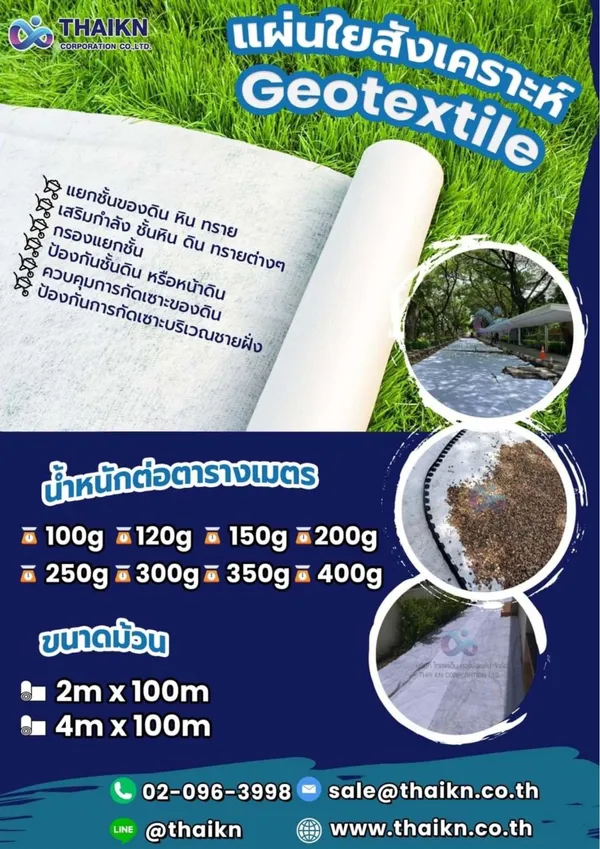
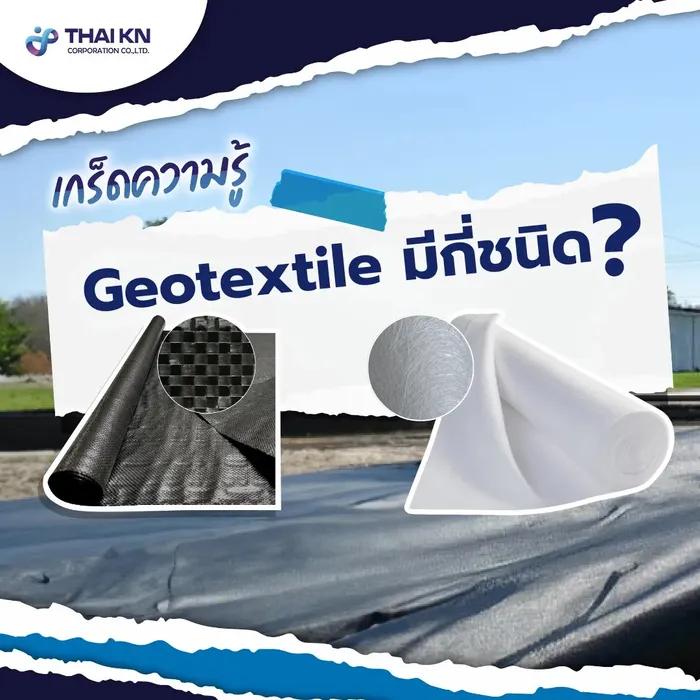
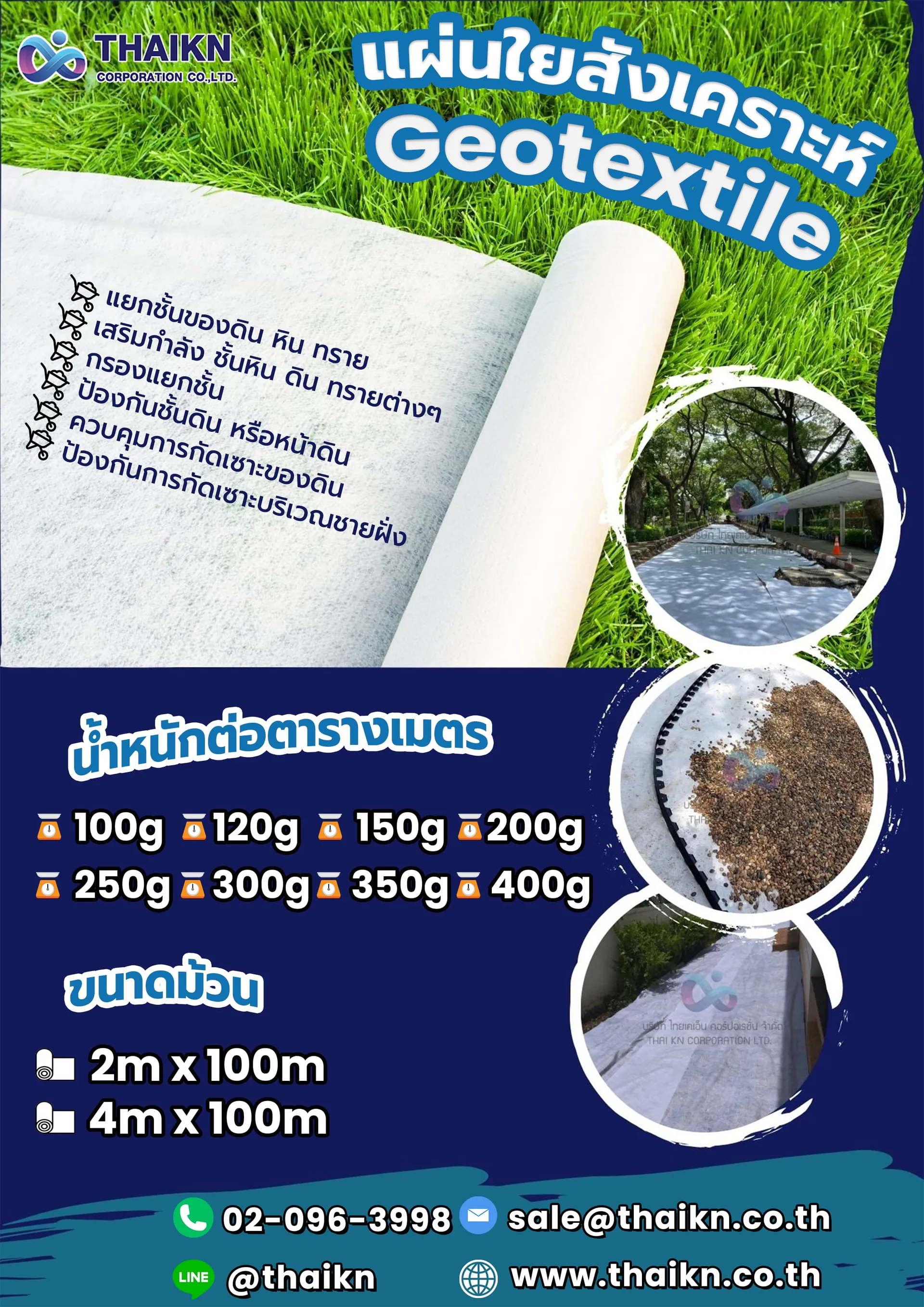
The answer to the question above is to use Geotextile synthetic fabric from THAIKN™, a construction material that acts like a layer of armor protecting engineering structures from below ground. It is made from high-quality polymer fibers through internationally standardized weaving or needle-punching processes, to achieve properties tailored specifically to civil engineering work.
4 key functions of THAIKN™ GEOTEXTILE in road structures
- Separation: laid between the existing soil and the crushed rock layer so that mud from below is not pumped up by wheel loads into the crushed rock (Pumping Effect), allowing the crushed rock to keep its density and interlock.
- Reinforcement: helps strengthen a weak soil layer beneath the pavement (Subgrade), reducing soil movement and settlement under repeated traffic.
- Filtration: lets water flow through easily without soil and sand being carried along to clog the system.
- Drainage: helps drain water and reduce water pressure, a key factor that softens the soil layers and causes structures to settle.
From roads to irrigation systems: where can it be used? Although its strength is in road works, the versatile properties of THAIKN™ GEOTEXTILE make it a multi-purpose material that can be applied on many kinds of sites.
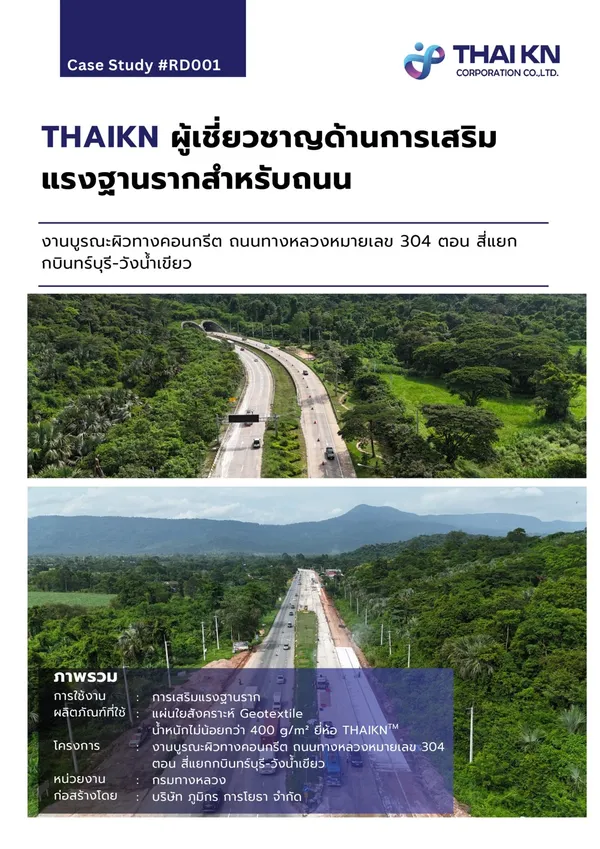
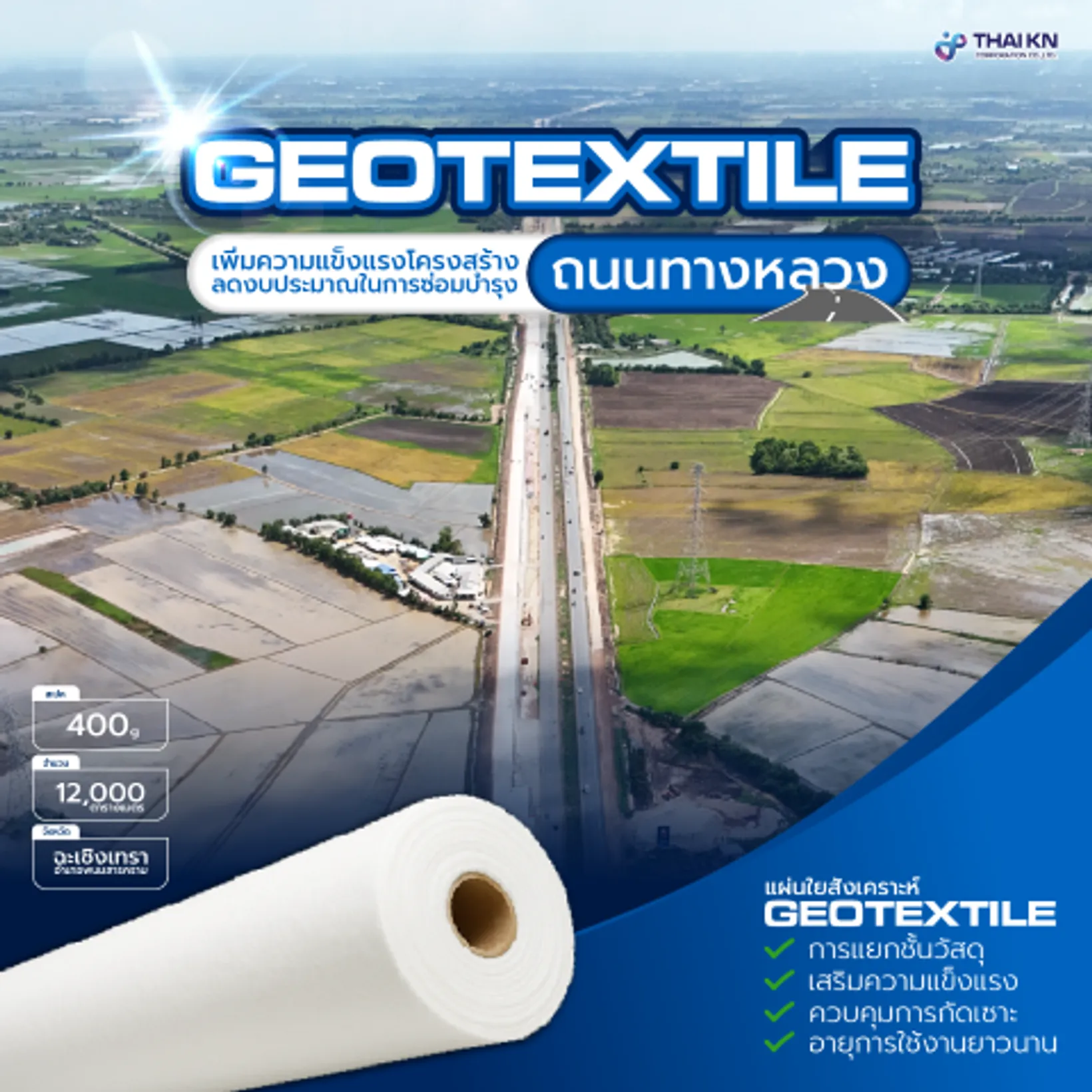
- Road construction and repair: laid between the existing soil and the crushed rock layer to separate the material layers and add strength, preventing road settlement and failure for decades.
- Riverbank and slope collapse protection: laid under interlocking blocks or riprap along rivers, coasts or dam slopes to prevent water from eroding the soil beneath the structure and causing the bank to settle.
- Subsurface drainage systems: used to wrap perforated drain pipes (Perforated Pipe) or as a filter in drainage trenches, so water flows through easily without soil and sand clogging the system.
- Retaining walls (Retaining Wall): used for drainage and soil separation behind the wall, helping reduce water pressure, the main cause of wall settlement or collapse.
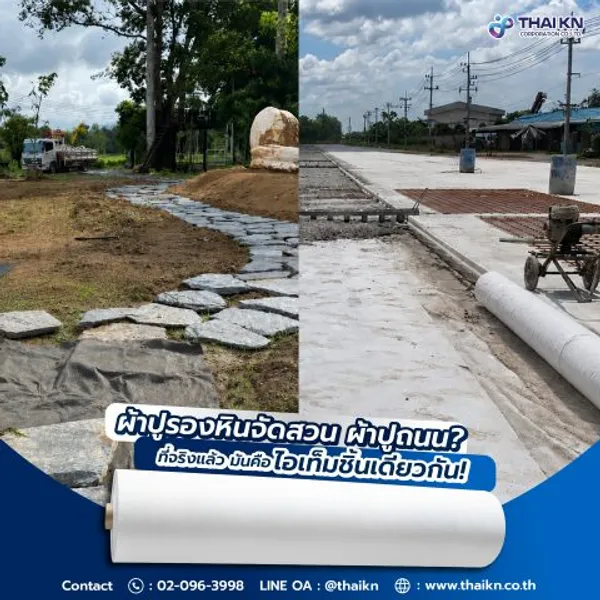
- Landscape architecture and gardening: laid before spreading sand and placing interlocking paving blocks, to level the surface and help stop weeds from growing through and spoiling the appearance.
Conclusion
Roads that fail again and again are not just a problem of the surface on top; they are a warning sign that the lower structure is in trouble. The main causes are usually "water" and "a weak soil layer beneath the pavement (Subgrade)", which make the foundation soil lose its bearing strength and push mud up into the crushed rock (Pumping Effect). Repairing only the surface is therefore not a lasting solution. Laying THAIKN™ GEOTEXTILE geosynthetic sheet between the existing soil and the crushed rock layer keeps the material layers from mixing, strengthens the soil layer, and lets water pass through without soil and sand being carried along to clog it, making it an approach that helps stop the “repeated repair” cycle at the structural level. THAIKN Corporation is ready to support every one of your projects with standard-compliant Geosynthetics material innovations, to raise safety and performance to the highest level in every engineering project.
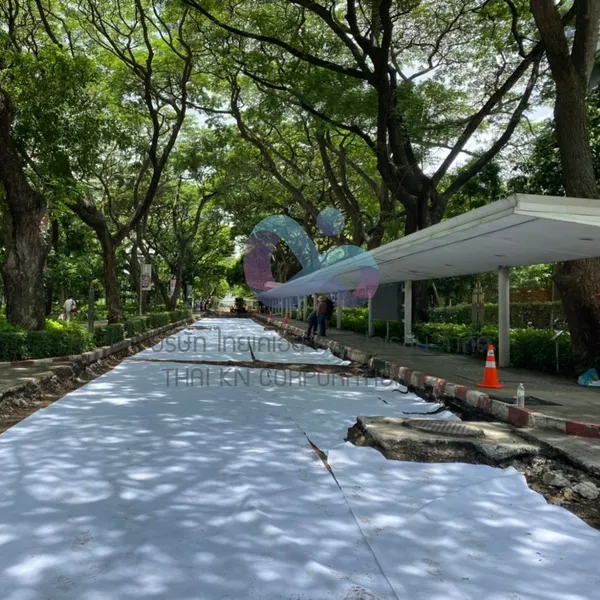
Installation photos
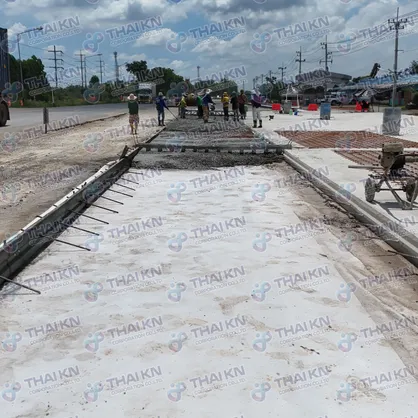
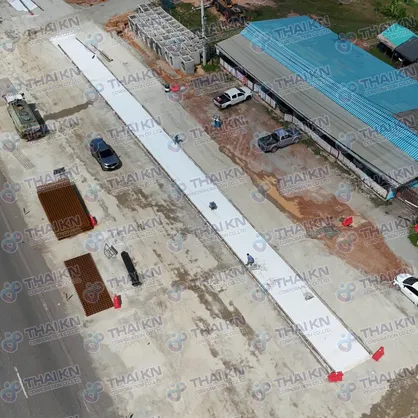
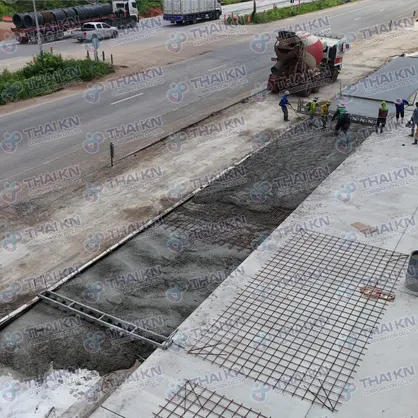
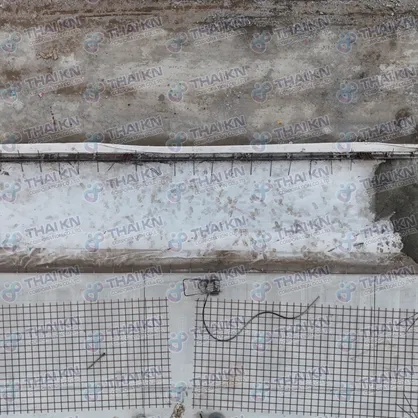
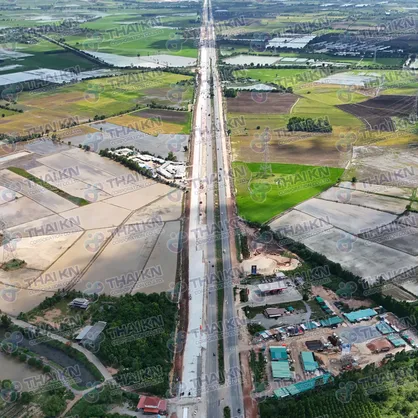
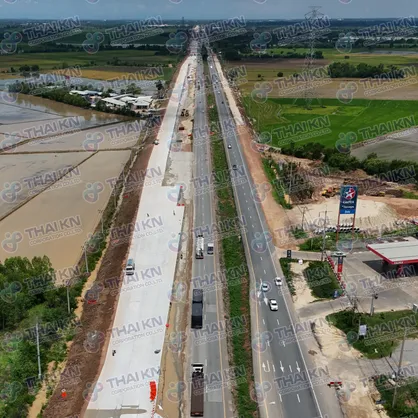
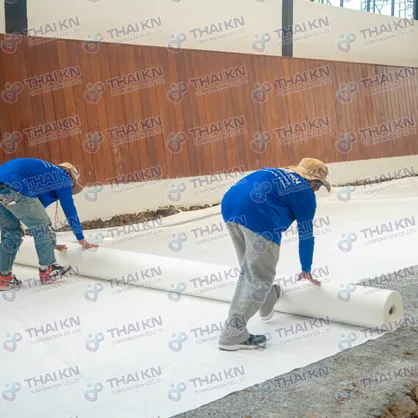
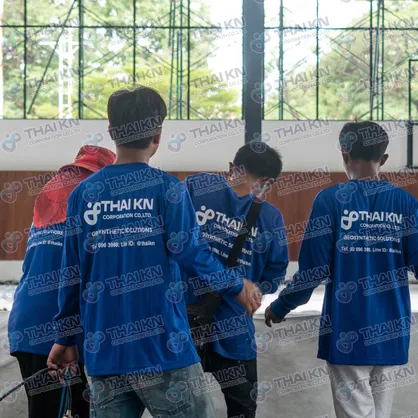
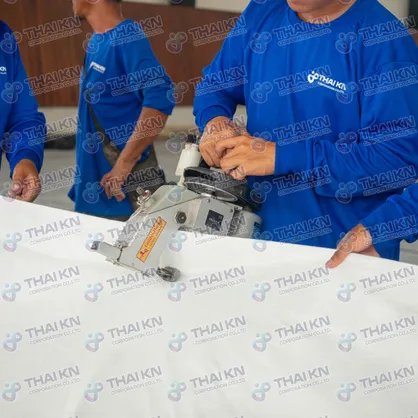
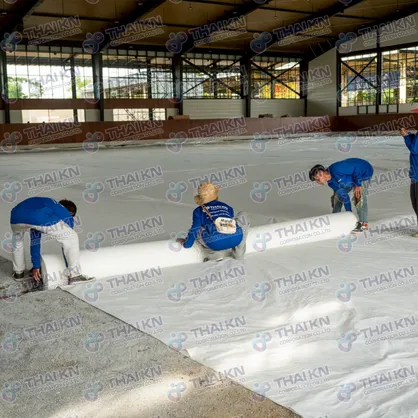
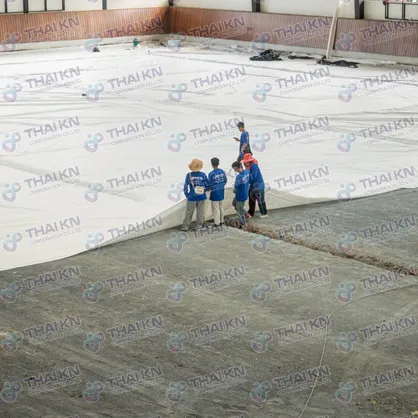
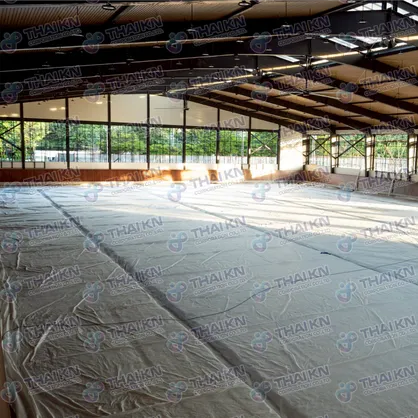
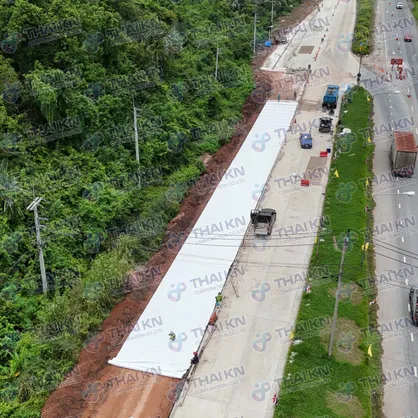
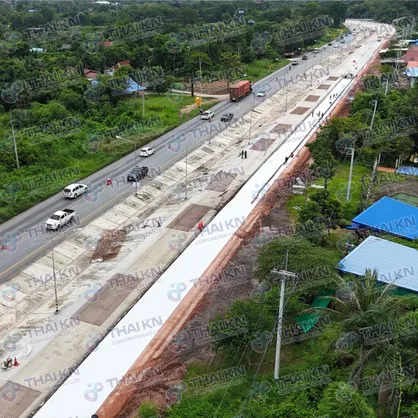
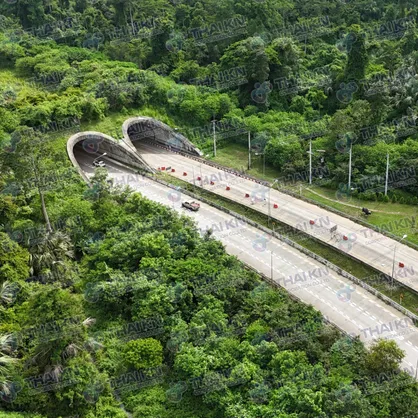
THAIKN™ GEOTEXTILE PS400g.

Line OA : @thaikn
Tel : 02-096-3998, 063-467-9666, 063-401-9888
Email : sale@thaikn.co.th
Website : www.thaikn.co.th
#GEOTEXTILE #Geogrid #thaikn #Geocell #GCL #Geomembrane #HDPEGeomembrane #Landscaping #PondLining #DIYLandscaping #MinimalistGarden
Related Geotextile articles and projects
Read more about geotextiles in earthworks, road works and water works, and see real installation examples by THAI KN