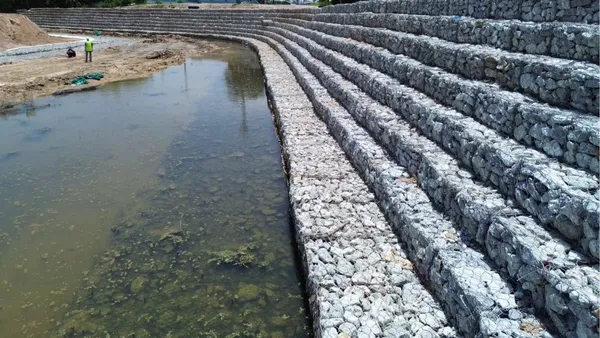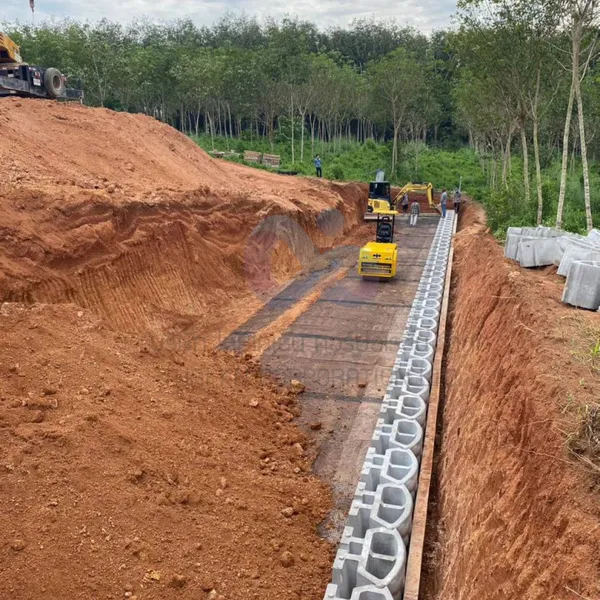






What Is a Geogrid (Soil Reinforcement Grid)?
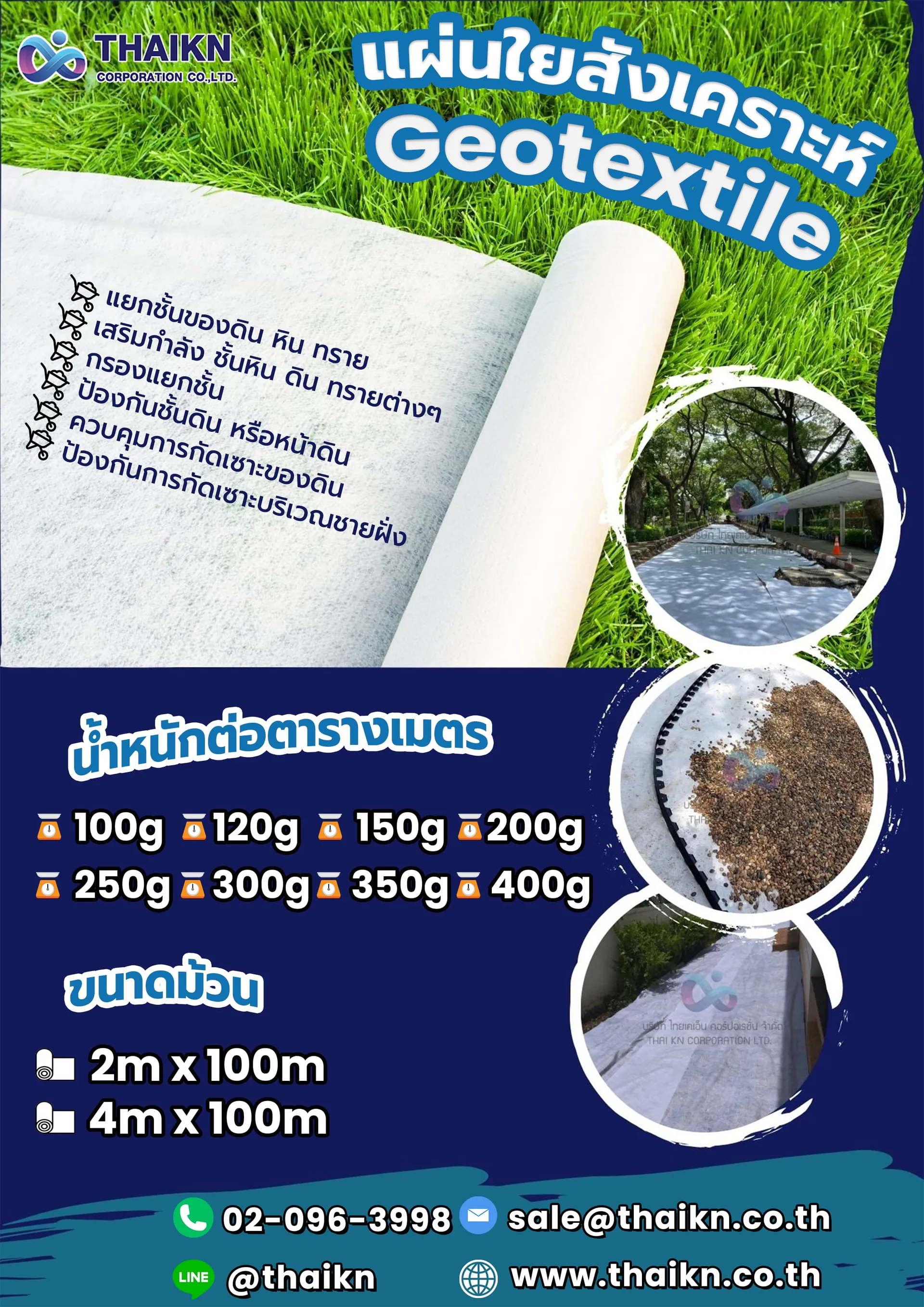
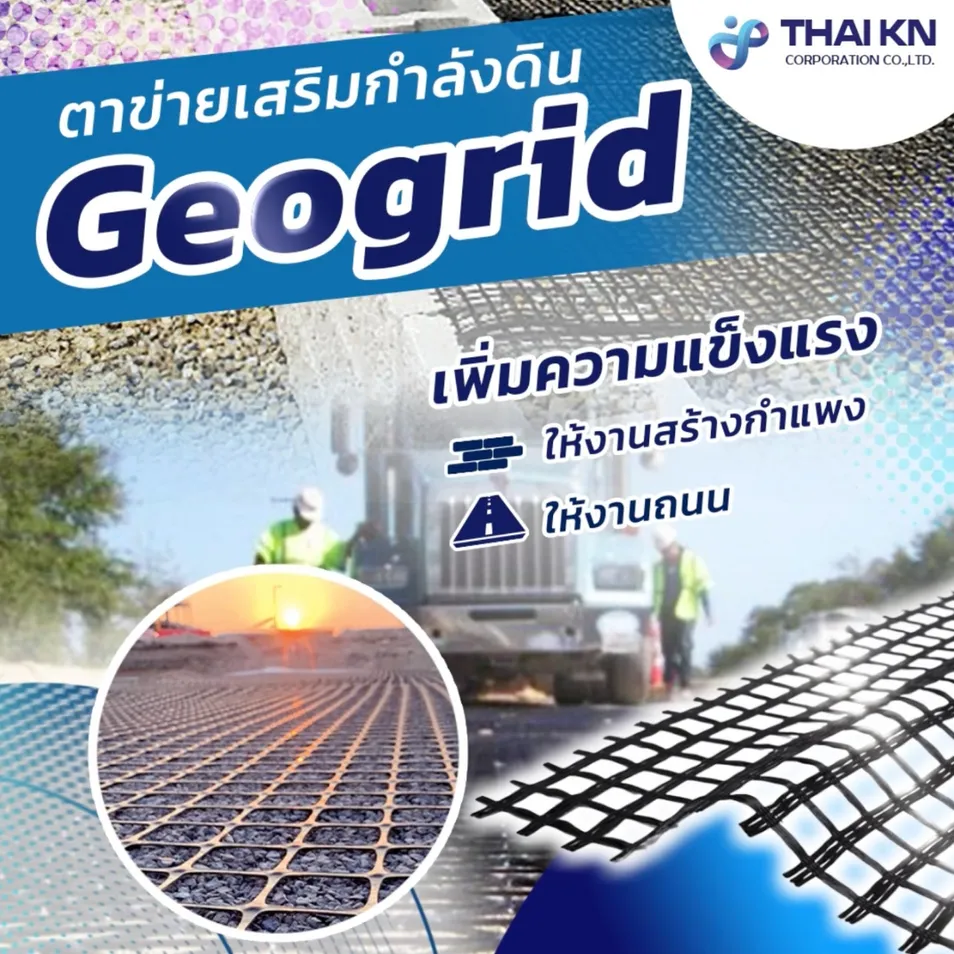
What Is a Geogrid (Soil Reinforcement Grid)?
What Is a Geogrid?
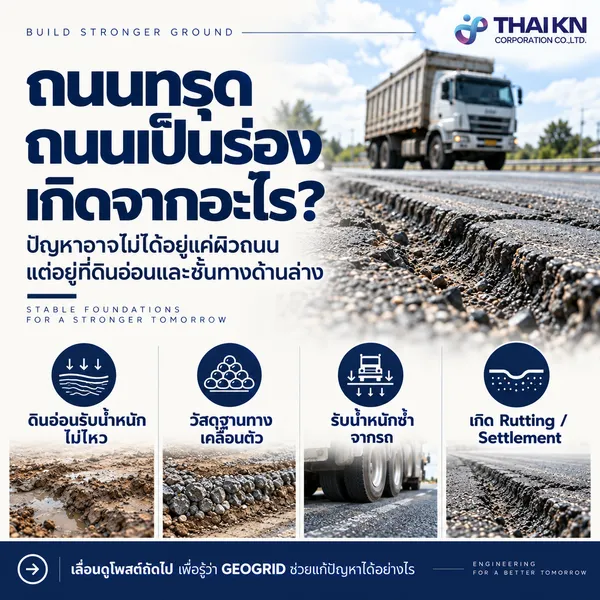
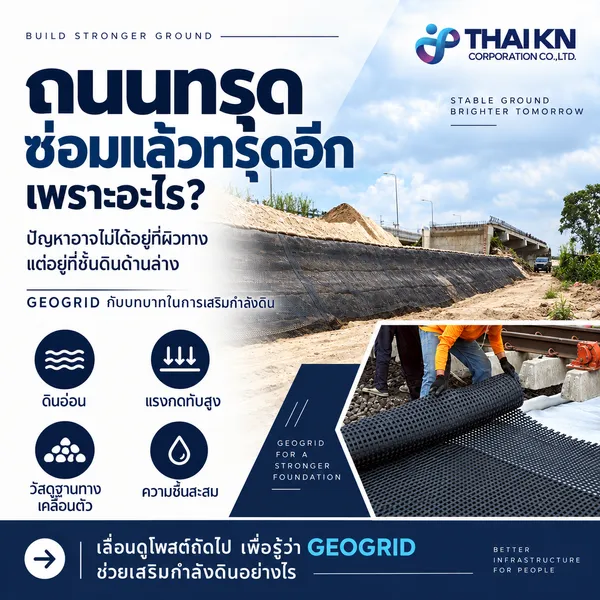
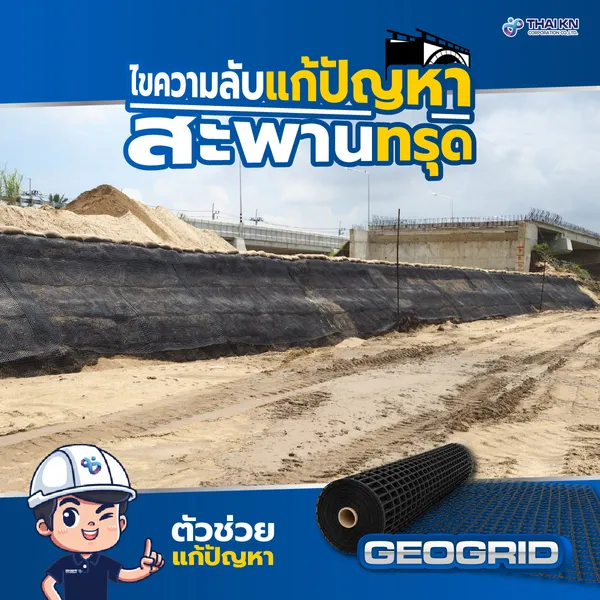
A geogrid, also known as a soil reinforcement grid, is a geosynthetic material used across a wide range of construction works to reinforce and stabilize soft soils and infrastructure such as roads, dams, building foundations, parking areas, airports and retaining walls. It adds strength to very soft soils, reduces settlement and helps prevent soil movement.
The key properties of a geogrid are as follows:
- High tensile strength: A geogrid can carry high tensile loads, allowing it to distribute loads from the weight of soil or structures efficiently, especially where additional strength is required, such as roads and dams.
- Improved soil stability: A geogrid increases the shear resistance of the soil, making it more stable and reducing the risk of settlement or failure, particularly on soft ground or sloping sites.
- Weather and chemical resistance: Geogrids are made from corrosion-resistant polymers such as polyester, polyethylene or polypropylene, so they withstand weathering and a wide range of chemicals, giving them a long service life.
- Flexibility under ground movement: A geogrid is highly flexible and can accommodate soil movement without losing its shape or strength, helping to prevent cracking and damage to the structure.
- Easy, cost-effective installation: A geogrid is simple to install and requires no complex equipment, which speeds up construction and reduces cost.
Types of Geogrid
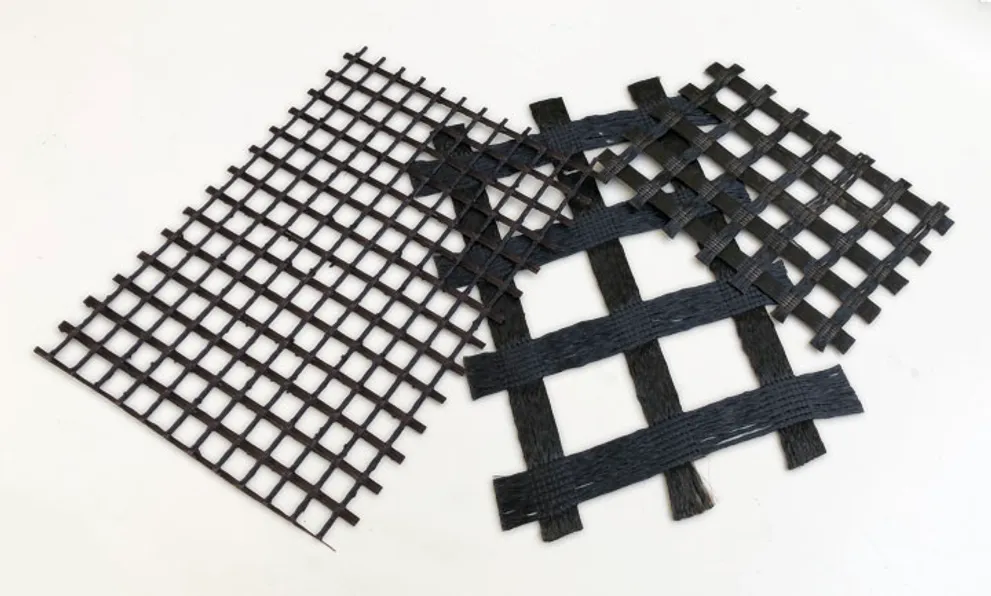
The choice of geogrid depends on the type of structure and the direction in which loads must be carried. Geogrids fall into three main types according to the directions in which they carry load: uniaxial geogrid, biaxial geogrid and triaxial geogrid.
Uniaxial Geogrid: carries load in one direction; suited to reinforcement where the main load acts in a single direction, such as retaining walls.
Biaxial Geogrid: carries load in two directions; suited to reinforcing large areas, such as roads.
Triaxial Geogrid: carries load in multiple directions; suited to works that demand the highest performance, such as complex structures.
Geogrid Applications
Road works: reinforces the road base and reduces pavement settlement.
Dam works: helps prevent cracking of embankment dams.
Building construction: reinforces foundations.
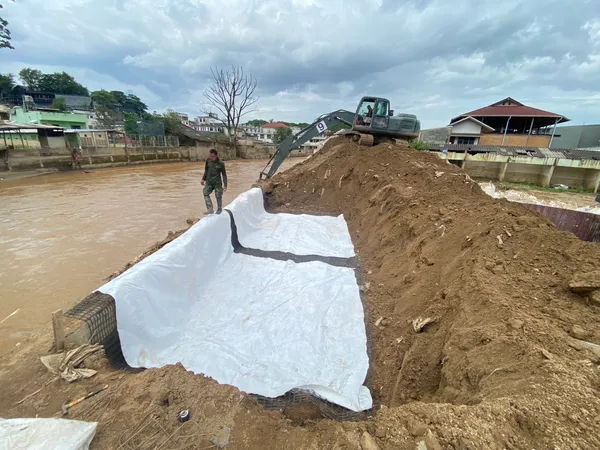
Coastal protection: helps prevent shoreline erosion.
Tunnel construction: improves tunnel stability.
The geogrid is an important construction material that strengthens and stabilizes structures, extends their service life and reduces the risk of damage from natural hazards. The right geogrid for a project depends on the type of structure and the soil conditions on site.
THAIKNTM GRID SERIES
THAIKNTM GRID is a uniaxial knitted polyester geogrid with a proprietary polymer coating, engineered for demanding soil reinforcement applications. It is manufactured from high-tenacity polyester yarn to ensure high strength. The yarns are formed into a dimensionally stable grid structure with uniform apertures using an advanced knitting process, then given a tough, durable polymer coating that enhances dimensional stability and resistance to installation damage.
Uniaxial Type
☉ GD-BPET 100-30 , GD-BPET 150-30
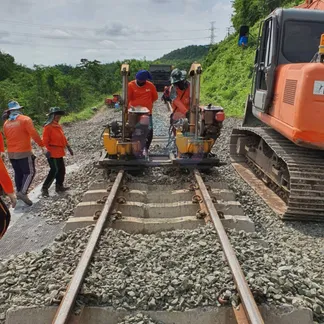
Installation of geogrid model GD-BPET 100-30 for railway track reinforcement
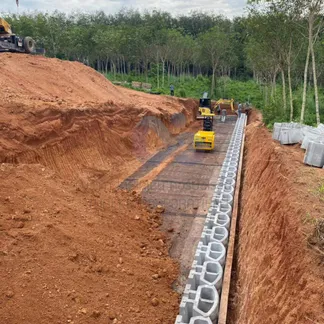
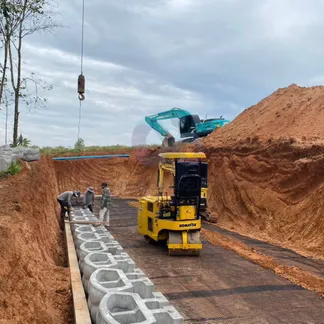
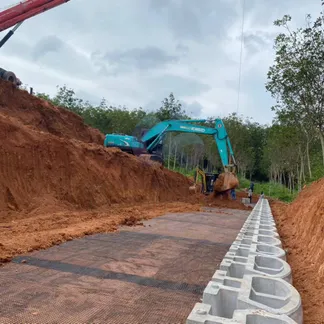
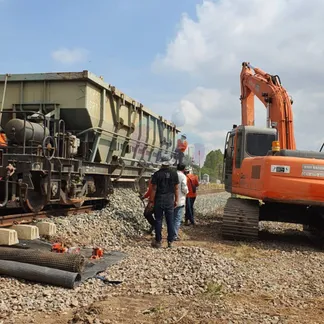
Installation of geogrid model GD-BPET 100-30 for a reinforced soil retaining wall, Phetchabun Province
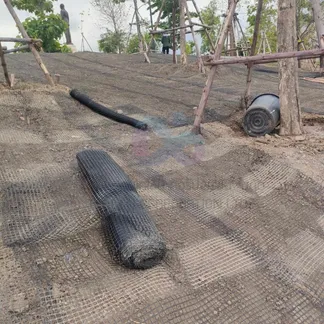
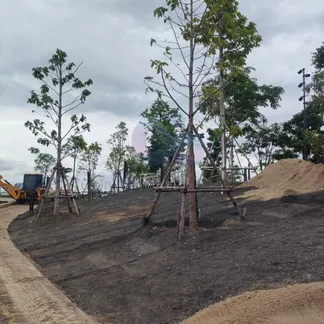

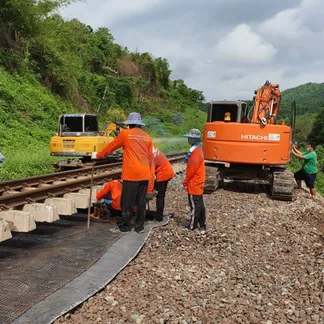
Installation of geogrid model GD-BPET 100-50 for walkway pavement reinforcement, Bangkok


Need a quotation or technical advice? Contact THAI KN, a manufacturer, importer and distributor of geosynthetics.
LINE OA : @thaikn
Tel : 02-096-3998, 063-467-9666, 063-401-9888
Email : sale@thaikn.co.th
Facebook : facebook.com/thaikncorp
Website : www.thaikn.co.th
ISO 9001:2015 (มอก. 9001-2559) โดย MASCI เลขที่ QMS23004/1837
#Geotextile #Geogrid #SoilReinforcement #Geocell #GCL #GeosyntheticClayLiner #Geomembrane #HDPEGeomembrane #PondLiner #Landscaping #thaikn
Related Articles and Projects: Geogrid
More on soil reinforcement, plus real THAI KN installation projects. Linked pages are currently in Thai.